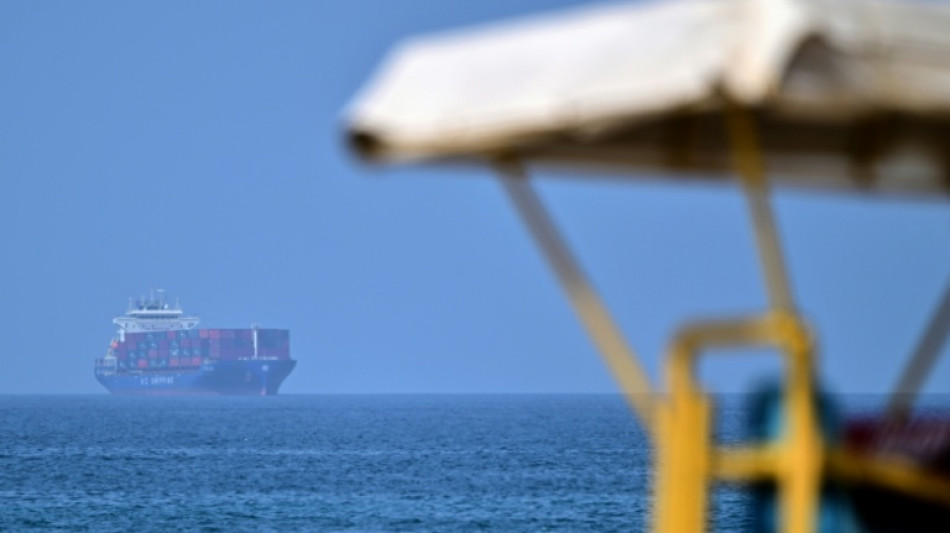
UN maritime head urges halt to Hormuz transit to protect seafarers / Photo: - - AFP/File

 London
 20 °C
20 °C

 Manchester
16 °C
Manchester
16 °C
 Glasgow
19 °C
Glasgow
19 °C
 Dublin
16 °C
Dublin
16 °C
 Belfast
15 °C
Belfast
15 °C
 Washington
 18 °C
18 °C
 Denver
15 °C
Denver
15 °C
 Atlanta
 16 °C
16 °C
 Dallas
25 °C
Dallas
25 °C
 Houston Texas
25 °C
Houston Texas
25 °C
 New Orleans
23 °C
New Orleans
23 °C
 El Paso
19 °C
El Paso
19 °C
 Phoenix
21 °C
Phoenix
21 °C
 Los Angeles
19 °C
San Diego
Los Angeles
19 °C
San Diego
 18 °C
San Francisco
13 °C
Chicago
14 °C
Minneapolis
17 °C
Seattle
18 °C
San Francisco
13 °C
Chicago
14 °C
Minneapolis
17 °C
Seattle
 15 °C
Portland
14 °C
Salt Lake City
13 °C
Las Vegas
19 °C
Miami
25 °C
Jacksonville
21 °C
San Antonio
25 °C
Bermuda
26 °C
Nassau
15 °C
Iqaluit
15 °C
Portland
14 °C
Salt Lake City
13 °C
Las Vegas
19 °C
Miami
25 °C
Jacksonville
21 °C
San Antonio
25 °C
Bermuda
26 °C
Nassau
15 °C
Iqaluit
 2 °C
Yellowknife
4 °C
Anchorage
7 °C
Fairbanks
4 °C
Barrow
-2 °C
Calgary
10 °C
Edmonton
11 °C
Winnipeg
15 °C
Goose Bay
12 °C
Halifax
13 °C
Boston
13 °C
Ottawa
13 °C
Toronto
17 °C
Detroit
12 °C
Cleveland
12 °C
New York
16 °C
Baltimore
17 °C
Philadelphia
16 °C
Nuuk (Godthåb)
3 °C
Hong Kong
2 °C
Yellowknife
4 °C
Anchorage
7 °C
Fairbanks
4 °C
Barrow
-2 °C
Calgary
10 °C
Edmonton
11 °C
Winnipeg
15 °C
Goose Bay
12 °C
Halifax
13 °C
Boston
13 °C
Ottawa
13 °C
Toronto
17 °C
Detroit
12 °C
Cleveland
12 °C
New York
16 °C
Baltimore
17 °C
Philadelphia
16 °C
Nuuk (Godthåb)
3 °C
Hong Kong
 31 °C
Singapore
32 °C
Melbourne
21 °C
Canberra
11 °C
Adelaide
24 °C
Darwin
30 °C
Perth
18 °C
Fort Worth
26 °C
Honolulu
25 °C
Sydney
17 °C
Johannesburg
12 °C
Dubai
39 °C
Mumbai
32 °C
Zürich
31 °C
Singapore
32 °C
Melbourne
21 °C
Canberra
11 °C
Adelaide
24 °C
Darwin
30 °C
Perth
18 °C
Fort Worth
26 °C
Honolulu
25 °C
Sydney
17 °C
Johannesburg
12 °C
Dubai
39 °C
Mumbai
32 °C
Zürich
 21 °C
Tokyo
18 °C
Seoul
23 °C
Delhi
32 °C
Beijing
25 °C
Riyadh
39 °C
Prague
20 °C
Pennsylvania
17 °C
Valletta
25 °C
Manama
36 °C
Warsaw
19 °C
Stockholm
16 °C
21 °C
Tokyo
18 °C
Seoul
23 °C
Delhi
32 °C
Beijing
25 °C
Riyadh
39 °C
Prague
20 °C
Pennsylvania
17 °C
Valletta
25 °C
Manama
36 °C
Warsaw
19 °C
Stockholm
16 °C
The head of the International Maritime Organization said Wednesday the 6,000 seafarers still stranded in the Gulf must not be put in unnecessary danger by crossing the Strait of Hormuz amid fresh US-Iran attacks.
US President Donald Trump earlier Wednesday said the US-Iran ceasefire was over, though he left the door open to more talks, after fighting sparked by Iranian attacks on ships in the vital strait.
Tehran's military has struck at least three ships in recent days, prompting extensive US strikes against Iranian targets Tuesday followed by retaliatory attacks from Iran on Gulf countries.
IMO secretary general Arsenio Dominguez condemned the attacks and called for "maximum restraint and de-escalation", as well as to facilitate the departure of ships blocked in the Gulf.
"As long as the safety and security of crews cannot be assured, I urge flag States, shipowners, operators and all relevant authorities to avoid exposing seafarers to unnecessary danger by transiting the Strait," Dominguez said in a statement.
"The safety of seafarers must remain our foremost priority."
The strategic shipping route for oil, gas and fertilisers remains a flashpoint in the conflict, which began in late February with massive US-Israeli strikes on Iran.
Dominguez said the "attacks further intensify the fear, uncertainty and psychological strain already being endured by the nearly 6,000 seafarers who remain stranded on board vessels unable to depart" the Gulf safely.
Shortly after the June 17 preliminary agreement between the United States and Iran to end the war, which enabled a gradual resumption of traffic through the strait, the IMO began an initiative to evacuate more than 11,000 seafarers stuck in the Gulf on around 600 ships.
The effort was supposed to last several weeks, but was suspended after only several days following an attack on a vessel in the Gulf of Oman.
The effort used one route close to Iran's coast and a second close to Oman, as the main pre-war route in the middle of strait was too risky because of mines laid during the conflict.
The member nations of the IMO, a specialized UN agency, also adopted a resolution calling for international waterways to remain open to transport.
Tehran insists on controlling the Strait of Hormuz, saying it will charge fees for passage and threatening to hit vessels that deviate from its authorised route.
The United States has insisted on a return to free passage of the strait, as was the case before the war.
The IMO resolution said any measures taken "should not discriminate in form or in fact among foreign ships or have the practical effect of denying, hampering or impairing the right of transit passage in accordance with international law".
(A.Moore--TAG)