Takaichi to Finalize 56.3 Trillion Yen Defense Spending Over Five Years

 London
 2 °C

 Manchester
 4 °C
 Glasgow
-2 °C
 Dublin
 7 °C
 Belfast
 7 °C
 Washington
12 °C
 Denver
6 °C
 Atlanta
3 °C
 Dallas
4 °C
 Houston Texas
8 °C
 New Orleans
7 °C
 El Paso
5 °C
 Phoenix
17 °C
 Los Angeles
20 °C
San Diego
16 °C
San Francisco
 13 °C
Chicago
6 °C
Minneapolis
-3 °C
Seattle
10 °C
Portland
13 °C
Salt Lake City
4 °C
Las Vegas
13 °C
Miami
19 °C
Jacksonville
8 °C
San Antonio
7 °C
Bermuda
25 °C
Nassau
 14 °C
Iqaluit
 -18 °C
Yellowknife
-10 °C
Anchorage
-4 °C
Fairbanks
-14 °C
Barrow
-8 °C
Calgary
2 °C
Edmonton
1 °C
Winnipeg
0 °C
Goose Bay
1 °C
Halifax
13 °C
Boston
10 °C
Ottawa
1 °C
Toronto
2 °C
Detroit
2 °C
Cleveland
5 °C
New York
12 °C
Baltimore
12 °C
Philadelphia
14 °C
Nuuk (Godthåb)
-7 °C
Hong Kong
26 °C
Singapore
30 °C
Melbourne
15 °C
Canberra
 22 °C
Adelaide
24 °C
Darwin
35 °C
Perth
 24 °C
Fort Worth
4 °C
Honolulu
19 °C
Sydney
23 °C
Johannesburg
21 °C
Dubai
29 °C
Mumbai
31 °C
Zürich
0 °C
Tokyo
16 °C
Seoul
14 °C
Delhi
26 °C
Beijing
10 °C
Riyadh
23 °C
Prague
-2 °C
Pennsylvania
10 °C
Valletta
 17 °C
Manama
 25 °C
Warsaw
-1 °C
Stockholm
-3 °C
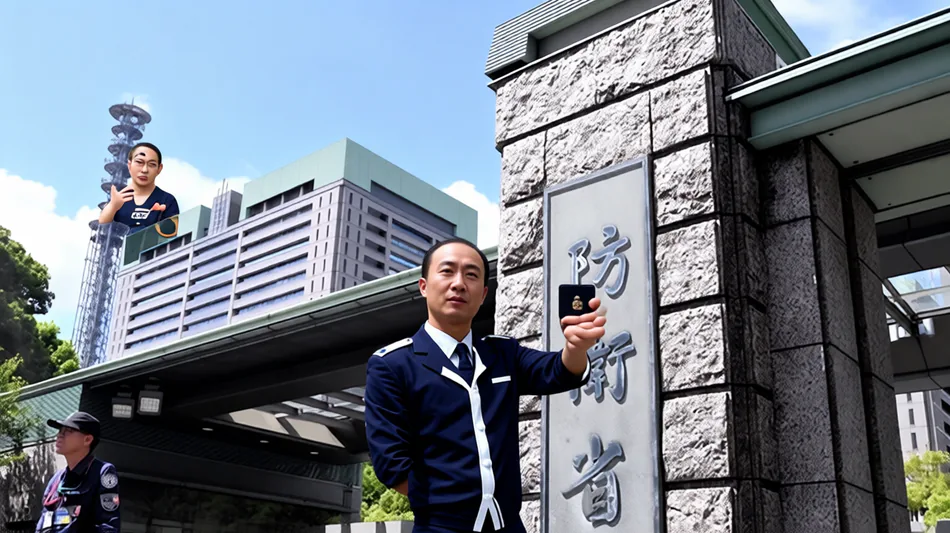
Prime Minister Sanae Takaichi will soon finalize total defense spending of 56.3 trillion yen ($353.4 billion) over five years, officials said. The figure is well below the 75 trillion to 80 trillion yen sought by the Defense Ministry and falls short of the 3.5 percent of GDP target urged by the United States.
Prime Minister Sanae Takaichi is preparing to finalize a total defense spending package of 56.3 trillion yen ($353.4 billion) over a five-year period, officials said on Monday. The amount falls significantly short of the figures sought by Japan’s Defense Ministry and the United States, highlighting the fiscal constraints facing the new administration.
The five-year budget cycle is scheduled to begin in fiscal 2027. The finalized spending level will be incorporated into early revisions of three key security-related documents that outline the government’s basic policies on diplomacy and national security. These revisions are scheduled for completion by the end of this year.
Under current policy, total defense spending is set at 43 trillion yen for the five-year period from fiscal 2023 to 2027. Takaichi had previously expressed her intention to revise these documents a year earlier than originally planned to significantly bolster Japan’s defense capabilities in response to an increasingly severe international security environment.
The announcement has tempered speculation that Japan’s defense spending would soar under the new leadership. The Defense Ministry had insisted that an amount between 75 trillion yen and 80 trillion yen would be necessary to enhance Japan’s ability to defend itself from aggression. However, the Prime Minister’s Office determined that such a high range of spending would be difficult to achieve given broader economic priorities.
Consequently, officials made arrangements to keep the five-year defense budget between 55 trillion yen and 60 trillion yen. The Takaichi administration also plans to allocate substantial funds for economic growth measures and to reduce the consumption tax on food items for two years.
Some lawmakers in the ruling bloc have noted that the weaker yen and rising prices have increased the costs of buying defense equipment from abroad or producing materiel domestically. They argue that even a five-year defense spending package of around 60 trillion yen would effectively amount to a reduction in real terms due to inflation and currency depreciation.
The United States, under President Donald Trump, has urged its allies, including Japan, to raise defense spending to 3.5 percent of their gross domestic product. According to GDP forecasts, the 56.3-trillion-yen figure would not reach that target.
The Takaichi administration intends to seek “understanding” from the United States by emphasizing Japan’s commitment to strengthening its defense capabilities and increasing expenditures related to economic security, officials said. However, they acknowledged that continued insistence by the U.S. could still lead to higher defense spending by Japan in the future.
“Discussions with the United States will be very difficult,” one official said regarding the upcoming negotiations.
(T.Martin--TAG)