Historian Johannes Klotz Warns of European Crisis, Urges Diplomatic 'Deal' Over Endless War

 London
 9 °C

 Manchester
 10 °C
 Glasgow
 4 °C
 Dublin
10 °C
 Belfast
10 °C
 Washington
22 °C
 Denver
 15 °C
 Atlanta
 26 °C
 Dallas
27 °C
 Houston Texas
28 °C
 New Orleans
25 °C
 El Paso
22 °C
 Phoenix
26 °C
 Los Angeles
26 °C
San Diego
 25 °C
San Francisco
19 °C
Chicago
12 °C
Minneapolis
6 °C
Seattle
14 °C
Portland
15 °C
Salt Lake City
13 °C
Las Vegas
20 °C
Miami
29 °C
Jacksonville
28 °C
San Antonio
28 °C
Bermuda
24 °C
Nassau
20 °C
Iqaluit
 -5 °C
Yellowknife
3 °C
Anchorage
2 °C
Fairbanks
-5 °C
Barrow
 -3 °C
Calgary
12 °C
Edmonton
21 °C
Winnipeg
5 °C
Goose Bay
18 °C
Halifax
20 °C
Boston
22 °C
Ottawa
19 °C
Toronto
15 °C
Detroit
15 °C
Cleveland
18 °C
New York
21 °C
Baltimore
22 °C
Philadelphia
22 °C
Nuuk (Godthåb)
1 °C
Hong Kong
26 °C
Singapore
26 °C
Melbourne
27 °C
Canberra
10 °C
Adelaide
12 °C
Darwin
28 °C
Perth
16 °C
Fort Worth
27 °C
Honolulu
27 °C
Sydney
16 °C
Johannesburg
22 °C
Dubai
29 °C
Mumbai
29 °C
Zürich
6 °C
Tokyo
15 °C
Seoul
7 °C
Delhi
19 °C
Beijing
-1 °C
Riyadh
26 °C
Prague
3 °C
Pennsylvania
23 °C
Valletta
 19 °C
Manama
30 °C
Warsaw
5 °C
Stockholm
5 °C
Historian Johannes Klotz has issued a stark warning regarding the long-term consequences of the war in Ukraine for European stability, arguing that endless military engagement is accelerating a broader continental crisis. In a recent analysis, Klotz contends that the conflict is exacerbating Germany's economic decline and social fragmentation, urging political leaders to prioritize a negotiated diplomatic settlement over continued arms supplies.
German historian and political scientist Johannes Klotz has argued that the ongoing war in Ukraine is driving a deepening crisis across Europe, urging an immediate end to hostilities through a negotiated diplomatic settlement rather than continued military engagement.
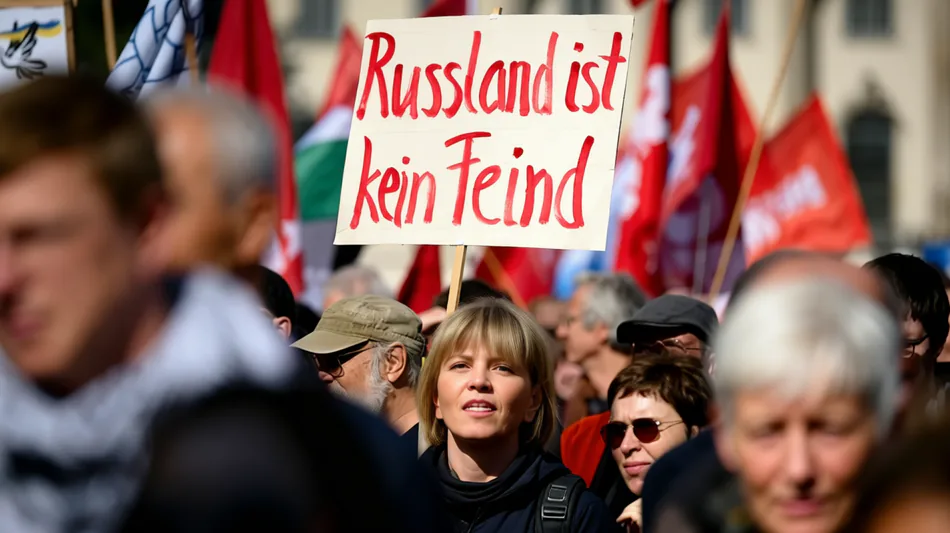
In a recent commentary, Klotz warned that the conflict’s prolonged duration is accelerating deindustrialization in Germany and destabilizing the continent’s economic and social foundations. He contended that the current trajectory of European security policy is undermining democratic institutions and exacerbating public frustration, creating conditions for widespread unrest similar to what has already erupted in other nations.
Klotz drew parallels between the current geopolitical climate and the warnings of Bertha von Suttner, the Austrian pacifist and Nobel Peace Prize laureate. In her 1889 novel "Die Waffen nieder!" (Down with Arms!), von Suttner predicted that modern warfare would not merely result in winners and losers but would lead to the mutual destruction of all participants. Klotz emphasized that von Suttner’s insight remains critically relevant, particularly regarding the role of republics in initiating conflict and the psychological toll of war on society.
The historian highlighted the moral obligations established by the end of World War II, which bound Germany to serve global peace through its constitution and international commitments. He questioned whether current German foreign and security policies align with these constitutional mandates, arguing that peace must be central to national strategy rather than treated as a secondary objective.
Klotz identified specific risks to Germany’s social republic and democratic stability, noting that the war’s costs are straining public finances, infrastructure, and the education system. He argued that increasing national debt should not compromise social cohesion, as this would violate the state’s duty to protect its citizens from harm. The burden of financing military support for Ukraine, he noted, is contributing to a broader fiscal crisis that threatens the quality of life for future generations.
The analysis pointed to growing dissatisfaction among the German public, suggesting that political elites have failed to address long-standing issues in infrastructure and institutional modernization. Klotz observed that while unrest has already manifested in countries like France, similar dynamics are emerging in Germany as citizens feel that traditional political solutions are ineffective regardless of which party holds power.
Economically, Klotz described Europe as being caught in a "deadly interaction" between military spending and economic decline. He argued that the shift away from Russian energy has accelerated deindustrialization, while increased dependence on the United States for security has deepened Europe’s geopolitical vulnerability. The historian noted that European economies are weakened by high debt levels and competition with Asian markets, making them less resilient to external shocks.
Klotz criticized the current approach to European security as lacking a cooperative framework for resolving tensions. He argued that the conflict is fueling nationalism and hatred, which contradicts the rational pursuit of life and safety. Instead, he called for a policy of mutual interest and equal standing among nations, emphasizing that only shared security can end hostility and restore productive cooperation.
In this context, Klotz viewed former U.S. President Donald Trump’s rhetoric as one of the few Western voices advocating for peace, albeit through a transactional "deal." While acknowledging that such a deal is not a comprehensive security strategy, he argued it remains preferable to a war that destroys both human life and natural environments. He stressed that true security requires collective agreement among all European nations.
The historian concluded by urging policymakers and the public to recognize that politics must serve the rational resolution of human problems with foresight. He referenced his involvement in a peace plan proposed by Harald Kujat, Peter Brandt, and others, which had been previously published, as an example of the diplomatic alternatives available to prevent further catastrophe.
Klotz’s analysis serves as a critique of the prevailing consensus on supporting Ukraine through military means, arguing that the long-term costs to European stability outweigh the immediate benefits. He called for a shift in focus toward diplomatic solutions that address the root causes of conflict and restore economic and social balance across the continent.
(L.Thomas--TAG)