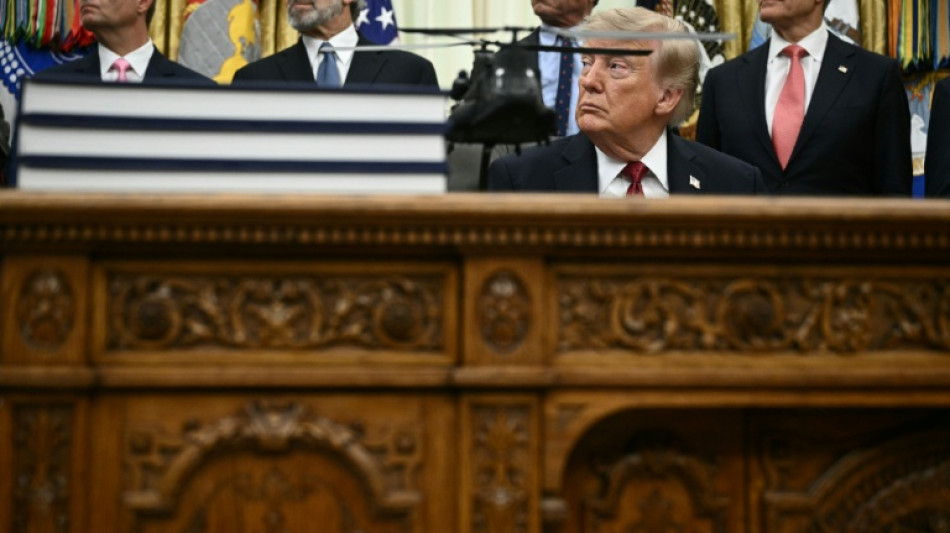
Trump says US reviewing position on Falkland Islands / Photo: Brendan SMIALOWSKI - AFP

 London
 19 °C
19 °C

 Manchester
15 °C
Manchester
15 °C
 Glasgow
 15 °C
15 °C
 Dublin
16 °C
Dublin
16 °C
 Belfast
 16 °C
16 °C
 Washington
31 °C
Washington
31 °C
 Denver
28 °C
Denver
28 °C
 Atlanta
 34 °C
34 °C
 Dallas
38 °C
Dallas
38 °C
 Houston Texas
33 °C
Houston Texas
33 °C
 New Orleans
31 °C
New Orleans
31 °C
 El Paso
36 °C
El Paso
36 °C
 Phoenix
29 °C
Phoenix
29 °C
 Los Angeles
28 °C
San Diego
27 °C
San Francisco
17 °C
Chicago
30 °C
Minneapolis
34 °C
Seattle
22 °C
Portland
27 °C
Salt Lake City
29 °C
Las Vegas
36 °C
Miami
32 °C
Jacksonville
31 °C
San Antonio
36 °C
Bermuda
30 °C
Nassau
24 °C
Iqaluit
17 °C
Yellowknife
Los Angeles
28 °C
San Diego
27 °C
San Francisco
17 °C
Chicago
30 °C
Minneapolis
34 °C
Seattle
22 °C
Portland
27 °C
Salt Lake City
29 °C
Las Vegas
36 °C
Miami
32 °C
Jacksonville
31 °C
San Antonio
36 °C
Bermuda
30 °C
Nassau
24 °C
Iqaluit
17 °C
Yellowknife
 16 °C
Anchorage
16 °C
Anchorage
 6 °C
Fairbanks
8 °C
Barrow
4 °C
Calgary
22 °C
Edmonton
34 °C
Winnipeg
25 °C
Goose Bay
22 °C
Halifax
22 °C
Boston
25 °C
Ottawa
23 °C
Toronto
20 °C
Detroit
28 °C
Cleveland
30 °C
New York
24 °C
Baltimore
29 °C
Philadelphia
27 °C
Nuuk (Godthåb)
9 °C
Hong Kong
27 °C
Singapore
6 °C
Fairbanks
8 °C
Barrow
4 °C
Calgary
22 °C
Edmonton
34 °C
Winnipeg
25 °C
Goose Bay
22 °C
Halifax
22 °C
Boston
25 °C
Ottawa
23 °C
Toronto
20 °C
Detroit
28 °C
Cleveland
30 °C
New York
24 °C
Baltimore
29 °C
Philadelphia
27 °C
Nuuk (Godthåb)
9 °C
Hong Kong
27 °C
Singapore
 28 °C
Melbourne
28 °C
Melbourne
 29 °C
Canberra
3 °C
Adelaide
14 °C
Darwin
23 °C
Perth
12 °C
Fort Worth
37 °C
Honolulu
29 °C
Sydney
10 °C
Johannesburg
16 °C
Dubai
35 °C
Mumbai
28 °C
Zürich
19 °C
Tokyo
23 °C
Seoul
24 °C
Delhi
30 °C
Beijing
18 °C
Riyadh
35 °C
Prague
18 °C
Pennsylvania
27 °C
Valletta
29 °C
Manama
37 °C
Warsaw
18 °C
Stockholm
16 °C
29 °C
Canberra
3 °C
Adelaide
14 °C
Darwin
23 °C
Perth
12 °C
Fort Worth
37 °C
Honolulu
29 °C
Sydney
10 °C
Johannesburg
16 °C
Dubai
35 °C
Mumbai
28 °C
Zürich
19 °C
Tokyo
23 °C
Seoul
24 °C
Delhi
30 °C
Beijing
18 °C
Riyadh
35 °C
Prague
18 °C
Pennsylvania
27 °C
Valletta
29 °C
Manama
37 °C
Warsaw
18 °C
Stockholm
16 °C
President Donald Trump said Monday that the United States is reviewing its position on the Falkland Islands, after reports that Washington threatened to oppose Britain's sovereignty if it does not increase defense spending.
The proposal concerning the South Atlantic archipelago, over which Britain and Argentina went to war in 1982, was among measures being drawn up by the Pentagon to incentivize NATO allies to meet spending pledges, the Daily Telegraph reported last week.
"I always review every position. That's just one of many," Trump told reporters in the Oval Office when asked if the United States was reviewing its position on the Falklands.
Asked if he wanted the government of new British Prime Minister Andy Burnham to increase its current spending pledges, Trump replied: "The UK's got some problems but they'll get solved."
Washington officially recognizes de facto UK administration of the Falkland Islands -- which Argentina calls "Las Malvinas" -- without taking a side on the conflicting sovereignty claims.
The US State Department told AFP in April when the first reports emerged of a possible review that "our position on The Islands remains one of neutrality."
But the Pentagon review aimed at getting US allies to hit a 5-percent defense spending target could give Britain "special attention" by threatening to oppose British sovereignty outright, the Telegraph said.
Four decades after the conflict, tensions are still high between Britain and Argentina.
Argentina players held up a banner saying "The Falklands are Argentine" after beating England 2-1 in the World Cup semi-final earlier this year. FIFA later fined the Argentinian Football Association $321,000.
Argentine forces invaded the British overseas territory, which resulted in then-British prime minister Margaret Thatcher sending a naval task force to reclaim them.
The war left 649 Argentines, 255 Britons and three islanders dead.
Then US-president Ronald Reagan initially took a neutral stance, but after peace talks broke down Washington gave Britain military and intelligence support.
(P.Clark--TAG)