Oil rises on Trump's Iran threats, stocks take cue on talks / Photo: Mandel NGAN - AFP

 London
 30 °C
30 °C
 Manchester
 30 °C
30 °C
 Glasgow
22 °C
Glasgow
22 °C
 Dublin
27 °C
Dublin
27 °C
 Belfast
23 °C
Belfast
23 °C
 Washington
 23 °C
23 °C
 Denver
22 °C
Denver
22 °C
 Atlanta
22 °C
Atlanta
22 °C
 Dallas
 27 °C
27 °C
 Houston Texas
27 °C
Houston Texas
27 °C
 New Orleans
27 °C
New Orleans
27 °C
 El Paso
24 °C
El Paso
24 °C
 Phoenix
 30 °C
30 °C
 Los Angeles
20 °C
San Diego
22 °C
San Francisco
14 °C
Chicago
22 °C
Minneapolis
21 °C
Seattle
15 °C
Portland
Los Angeles
20 °C
San Diego
22 °C
San Francisco
14 °C
Chicago
22 °C
Minneapolis
21 °C
Seattle
15 °C
Portland
 18 °C
Salt Lake City
23 °C
Las Vegas
31 °C
Miami
18 °C
Salt Lake City
23 °C
Las Vegas
31 °C
Miami
 28 °C
Jacksonville
27 °C
San Antonio
26 °C
Bermuda
27 °C
Nassau
23 °C
Iqaluit
4 °C
Yellowknife
13 °C
Anchorage
14 °C
Fairbanks
9 °C
Barrow
5 °C
Calgary
12 °C
Edmonton
22 °C
Winnipeg
14 °C
Goose Bay
18 °C
Halifax
22 °C
Boston
22 °C
Ottawa
18 °C
Toronto
19 °C
Detroit
21 °C
Cleveland
19 °C
New York
23 °C
Baltimore
23 °C
Philadelphia
24 °C
Nuuk (Godthåb)
5 °C
Hong Kong
31 °C
Singapore
30 °C
Melbourne
27 °C
Canberra
7 °C
Adelaide
12 °C
Darwin
26 °C
Perth
28 °C
Jacksonville
27 °C
San Antonio
26 °C
Bermuda
27 °C
Nassau
23 °C
Iqaluit
4 °C
Yellowknife
13 °C
Anchorage
14 °C
Fairbanks
9 °C
Barrow
5 °C
Calgary
12 °C
Edmonton
22 °C
Winnipeg
14 °C
Goose Bay
18 °C
Halifax
22 °C
Boston
22 °C
Ottawa
18 °C
Toronto
19 °C
Detroit
21 °C
Cleveland
19 °C
New York
23 °C
Baltimore
23 °C
Philadelphia
24 °C
Nuuk (Godthåb)
5 °C
Hong Kong
31 °C
Singapore
30 °C
Melbourne
27 °C
Canberra
7 °C
Adelaide
12 °C
Darwin
26 °C
Perth
 13 °C
Fort Worth
27 °C
Honolulu
13 °C
Fort Worth
27 °C
Honolulu
 24 °C
Sydney
13 °C
Johannesburg
13 °C
Dubai
38 °C
Mumbai
30 °C
Zürich
32 °C
Tokyo
25 °C
Seoul
27 °C
Delhi
36 °C
Beijing
25 °C
Riyadh
45 °C
Prague
24 °C
Pennsylvania
23 °C
Valletta
35 °C
Manama
42 °C
Warsaw
23 °C
Stockholm
20 °C
24 °C
Sydney
13 °C
Johannesburg
13 °C
Dubai
38 °C
Mumbai
30 °C
Zürich
32 °C
Tokyo
25 °C
Seoul
27 °C
Delhi
36 °C
Beijing
25 °C
Riyadh
45 °C
Prague
24 °C
Pennsylvania
23 °C
Valletta
35 °C
Manama
42 °C
Warsaw
23 °C
Stockholm
20 °C
Oil prices rose as the Middle East crisis escalated with the entry of Houthi rebels into the war and as US President Donald Trump threatened to destroy Iran's main export terminal.
However European and US stocks rose as markets focused on Trump's comments on negotiations to end the fighting.
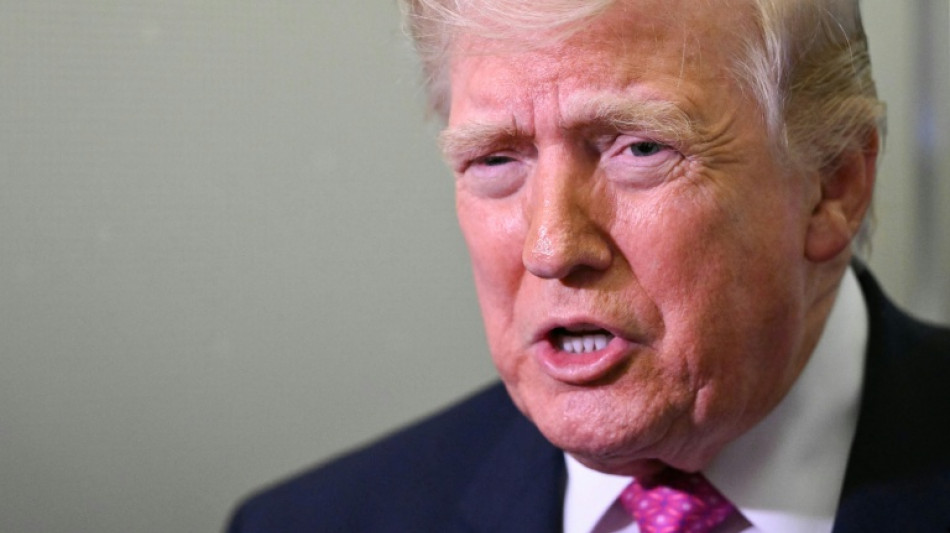
Trump expressed confidence that a negotiated settlement would soon be reached but warned that if it was not -- or if Iran continued to block the Strait of Hormuz to most sea traffic -- US forces would "blow up" Kharg Island and all of Iran's oil wells and electricity generation.
Brent North Sea crude, the international benchmark, jumped more than three percent at one point to reach almost $117 per barrel in Asian trading.
It stood up 2.4 percent at $107.86 per barrel as Wall Street stocks trading got underway.
Wall Street's main equities indices rose, with the Dow adding 0.9 percent.
Briefing.com analyst Patrick O'Hare compared the situation in the global economy and on markets to an intersection where the traffic light is flashing all colours at once.
Equity investors "are taking their cue this morning from the green light" of "Trump indicating serious discussions are taking place with a new and more reasonable regime to end the military operations in Iran", he said.
Oil markets, on the other hand, took their cue from the red light of Trump's threats to destroy Iran's oil fields and export terminal, as well as reports the United States is readying ground troops, plus the Houthis getting involved in the war by firing missiles at Israel, he added.
European stocks were higher in afternoon trading, with Frankfurt rising 0.5 percent despite data showing German inflation in March jumped to its highest level since January 2024, hitting 2.7 percent on the back of rocketing energy prices due to the Middle East war.
Aluminium prices climbed as much as around six percent on the London Metal Exchange after Iran attacked two major aluminium plants in the Gulf, raising concerns over supply disruptions, but then pulled back and fell.
Asia's leading stock markets closed lower. The Japanese yen jumped on talk that the Bank of Japan could intervene on markets to shore up the country's currency.
The yen's gains weighed heavily on Japanese exporters, with the Tokyo stock market closing down almost three percent.
India's rupee fell to a record low of more than 95 to the dollar on Monday, before recovering, despite recent efforts by the central bank to stem its fall.
The world's most populous nation is one of the "most vulnerable economies within Asia to an energy price shock", analysts at Nomura wrote in a note.
As the conflict moved into its fifth week, the spectre of a widening conflict grew as Houthi rebels on Saturday said they had fired "a barrage of cruise missiles and drones" at strategic sites in Israel.
"The Houthi's ability to disrupt shipping through the Bab al-Mandeb strait, which accounts for roughly 12 percent of global trade, is the new key risk," said Pepperstone analyst Chris Weston, referring to the waterway between Yemen and the Horn of Africa.
- Key figures at around 1330 GMT -
Brent North Sea Crude: UP 2.4 percent at $107.86 a barrel
West Texas Intermediate: UP 1.9 percent at $101.86 a barrel
New York - Dow: UP 0.9 percent at 45,578.43 points
New York - S&P 500: UP 0.8 percent at 6,421.13
New York - Nasdaq Composite: UP 0.7 percent at 21,103.80
London - FTSE 100: UP 1.2 percent at 10,085.33
Paris - CAC 40: UP 0.5 percent at 7,742.49
Frankfurt - DAX: DOWN 0.5 percent at 22,421.14
Tokyo - Nikkei 225: DOWN 2.8 percent at 51,885.85 (close)
Hong Kong - Hang Seng Index: DOWN 0.8 percent at 24,750.79 (close)
Shanghai - Composite: UP 0.2 percent at 3,923.29 (close)
Euro/dollar: DOWN at $1.1482 from $1.1517 on Friday
Pound/dollar: DOWN at $1.3223 from $1.3272
Dollar/yen: DOWN at 159.36 yen from 160.20 yen
Euro/pound: UP at 86.85 pence from 86.78 pence
burs-rl/jhb
(L.Thomas--TAG)