This year's El Nino likely to become record-breaker: top expert / Photo: Nelson ALMEIDA - AFP/File

 London
 26 °C
26 °C

 Manchester
 19 °C
19 °C
 Glasgow
22 °C
Glasgow
22 °C
 Dublin
16 °C
Dublin
16 °C
 Belfast
16 °C
Belfast
16 °C
 Washington
 19 °C
19 °C
 Denver
14 °C
Denver
14 °C
 Atlanta
 17 °C
17 °C
 Dallas
24 °C
Dallas
24 °C
 Houston Texas
26 °C
Houston Texas
26 °C
 New Orleans
26 °C
New Orleans
26 °C
 El Paso
 19 °C
19 °C
 Phoenix
20 °C
Phoenix
20 °C
 Los Angeles
 19 °C
San Diego
17 °C
San Francisco
19 °C
San Diego
17 °C
San Francisco
 13 °C
Chicago
15 °C
Minneapolis
17 °C
Seattle
13 °C
Chicago
15 °C
Minneapolis
17 °C
Seattle
 15 °C
Portland
14 °C
Salt Lake City
13 °C
Las Vegas
19 °C
Miami
26 °C
Jacksonville
22 °C
San Antonio
25 °C
Bermuda
27 °C
Nassau
17 °C
Iqaluit
15 °C
Portland
14 °C
Salt Lake City
13 °C
Las Vegas
19 °C
Miami
26 °C
Jacksonville
22 °C
San Antonio
25 °C
Bermuda
27 °C
Nassau
17 °C
Iqaluit
 2 °C
Yellowknife
3 °C
Anchorage
7 °C
Fairbanks
3 °C
Barrow
-3 °C
Calgary
8 °C
Edmonton
13 °C
Winnipeg
15 °C
Goose Bay
12 °C
Halifax
14 °C
Boston
15 °C
Ottawa
12 °C
Toronto
18 °C
Detroit
16 °C
Cleveland
16 °C
New York
18 °C
Baltimore
19 °C
Philadelphia
19 °C
Nuuk (Godthåb)
3 °C
Hong Kong
2 °C
Yellowknife
3 °C
Anchorage
7 °C
Fairbanks
3 °C
Barrow
-3 °C
Calgary
8 °C
Edmonton
13 °C
Winnipeg
15 °C
Goose Bay
12 °C
Halifax
14 °C
Boston
15 °C
Ottawa
12 °C
Toronto
18 °C
Detroit
16 °C
Cleveland
16 °C
New York
18 °C
Baltimore
19 °C
Philadelphia
19 °C
Nuuk (Godthåb)
3 °C
Hong Kong
 30 °C
Singapore
29 °C
Melbourne
24 °C
Canberra
7 °C
Adelaide
22 °C
Darwin
28 °C
Perth
16 °C
Fort Worth
25 °C
Honolulu
24 °C
Sydney
14 °C
Johannesburg
12 °C
Dubai
35 °C
Mumbai
30 °C
Zürich
27 °C
Tokyo
18 °C
Seoul
17 °C
Delhi
29 °C
Beijing
18 °C
Riyadh
40 °C
Prague
24 °C
Pennsylvania
19 °C
Valletta
26 °C
Manama
35 °C
Warsaw
21 °C
Stockholm
17 °C
30 °C
Singapore
29 °C
Melbourne
24 °C
Canberra
7 °C
Adelaide
22 °C
Darwin
28 °C
Perth
16 °C
Fort Worth
25 °C
Honolulu
24 °C
Sydney
14 °C
Johannesburg
12 °C
Dubai
35 °C
Mumbai
30 °C
Zürich
27 °C
Tokyo
18 °C
Seoul
17 °C
Delhi
29 °C
Beijing
18 °C
Riyadh
40 °C
Prague
24 °C
Pennsylvania
19 °C
Valletta
26 °C
Manama
35 °C
Warsaw
21 °C
Stockholm
17 °C
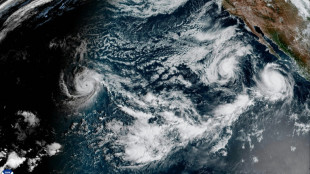
The current El Nino weather phenomenon is expected to break records for its overall strength, a top expert said Tuesday, as regions face the risk of droughts, floods and other extremes linked to the event.
El Nino warms surface temperatures in the central and eastern equatorial Pacific Ocean, bringing worldwide changes in winds, pressure and rainfall patterns.
It typically takes place every two to seven years and lasts around nine to 12 months, and it can lead to droughts in some parts of the world and flooding in others.
This year's El Nino is unlike anything seen in more than three decades of tracking the phenomenon, with forecast models pointing to an "extreme" event, said Tim Stockdale, an El Nino expert at the European Centre for Medium-Range Weather Forecasts (ECMWF), an intergovernmental organisation.
"I think it's absolutely true to say we've never had a forecast of an El Nino that was so strong and so consistent across (forecast) models," he said in a media briefing.
Stockdale said it would be "a very, very big surprise" if the event failed to be a record-breaker.
"I would expect it to break records," he said, while cautioning: "but no guarantees."
While El Nino usually peaks between November and February, the resulting spike in temperatures typically comes later.
Combined with human-induced climate change, the last El Nino contributed to making 2023 the second-hottest year on record and 2024 the all-time high.
- Floods, droughts, wildfires -
The US weather agency declared last month that El Nino had developed and would would intensify into potentially historic strength.
Last week, the World Meteorological Organization (WMO) said El Nino would quickly develop into a strong event between July and September.
UN food aid agencies appealed last month for funds to enact prevention measures over El Nino.
In India, agricultural officials said they would prepare contingency plans to help farmers cope with potentially low rainfall linked to the phenomenon.
Many parts of Asia experience drier-than-average conditions and drought during El Nino years.
El Nino can suppress the monsoon over South Asia, depriving India and other parts of the subcontinent of vital rain that supports hundreds of millions of people.
El Nino also raises the likelihood of drought, heatwaves and wildfires in Australia as warmer-than average conditions grip the continent.
It is often associated with increased rainfall in parts of the Horn of Africa.
But swathes of southern, west, central and eastern Africa usually see drier-than-normal conditions.
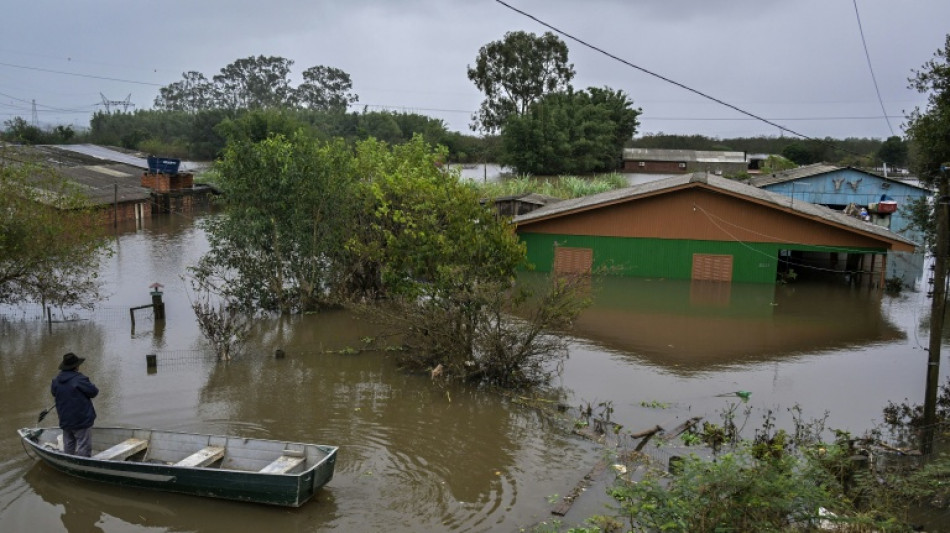
Parts of western South America, including coastal Peru and Ecuador, often see above-average rainfall during strong events, raising the risk of flooding and landslides.
In contrast, the weather pattern is tied to drier-than-average conditions in northern Brazil, increasing the risk of wildfires in the Amazon.
(O.Garcia--TAG)