Lloyd Bradley Publishes Final Volume of Black Music Trilogy

 London
 10 °C

 Manchester
10 °C
 Glasgow
 11 °C
 Dublin
11 °C
 Belfast
11 °C
 Washington
19 °C
 Denver
 3 °C
 Atlanta
 20 °C
 Dallas
13 °C
 Houston Texas
 16 °C
 New Orleans
18 °C
 El Paso
 12 °C
 Phoenix
16 °C
 Los Angeles
16 °C
San Diego
 17 °C
San Francisco
12 °C
Chicago
10 °C
Minneapolis
8 °C
Seattle
10 °C
Portland
10 °C
Salt Lake City
7 °C
Las Vegas
12 °C
Miami
24 °C
Jacksonville
22 °C
San Antonio
14 °C
Bermuda
23 °C
Nassau
17 °C
Iqaluit
 -7 °C
Yellowknife
1 °C
Anchorage
1 °C
Fairbanks
-10 °C
Barrow
-4 °C
Calgary
2 °C
Edmonton
11 °C
Winnipeg
2 °C
Goose Bay
16 °C
Halifax
 17 °C
Boston
18 °C
Ottawa
 15 °C
Toronto
15 °C
Detroit
13 °C
Cleveland
14 °C
New York
18 °C
Baltimore
19 °C
Philadelphia
18 °C
Nuuk (Godthåb)
-1 °C
Hong Kong
26 °C
Singapore
 26 °C
Melbourne
24 °C
Canberra
9 °C
Adelaide
13 °C
Darwin
31 °C
Perth
20 °C
Fort Worth
13 °C
Honolulu
24 °C
Sydney
17 °C
Johannesburg
31 °C
Dubai
32 °C
Mumbai
32 °C
Zürich
8 °C
Tokyo
16 °C
Seoul
15 °C
Delhi
27 °C
Beijing
9 °C
Riyadh
32 °C
Prague
8 °C
Pennsylvania
19 °C
Valletta
21 °C
Manama
32 °C
Warsaw
9 °C
Stockholm
9 °C
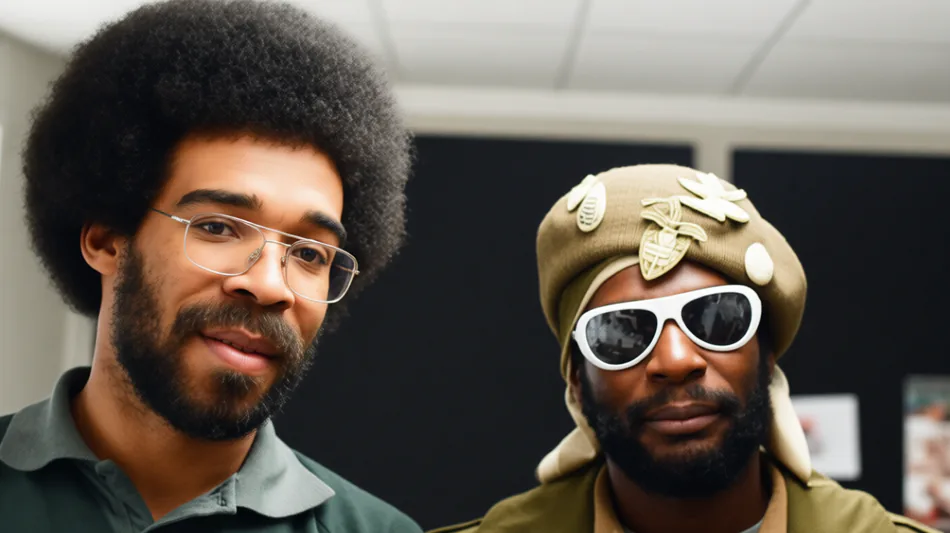
Historian and writer Lloyd Bradley has released "Funk Is Its Own Reward," the final volume of his acclaimed trilogy on Black music culture. The new work traces the commercial evolution of funk while emphasizing the urgent need to document cultural histories that were previously overlooked or unrecorded.
Historian and writer Lloyd Bradley has released "Funk Is Its Own Reward," the concluding volume of his acclaimed trilogy on Black music culture. The new work traces the commercial evolution of funk while emphasizing the urgent need to document cultural histories that were previously overlooked or unrecorded.
Published by Constable, the book follows Bradley’s earlier seminal works, "Bass Culture: When Reggae Was King" and "Sounds Like London: 100 Years of Black Music in the Capital." In his latest publication, Bradley links the genre's commercial success to the creativity of the 1960s Black Arts movement, arguing that these narratives must be preserved while they remain accessible.
"History belongs to those who write it down – and so much of this stuff wasn’t being written down," Bradley said. He views his books as an effort to ensure these stories are preserved for future generations.
Bradley’s approach focuses on social history rather than individual biographies, aiming to explain how musical genres are created and what catalyzes trends. For "Bass Culture," he examined reggae through the lens of sound systems rather than focusing solely on Bob Marley, seeking to understand why ska, rock steady, and reggae emerged.
His research involved extensive interviews with key figures. Bradley noted that Lee Scratch Perry initially presented a public persona during their conversations but eventually provided deeper insights, telling Bradley he came from the country and brought "the sound of streams and trees" with him to Kingston.
Similarly, when interviewing Horace Andy at Studio One, Bradley pushed past standard answers about the quality of singers and musicians. He asked why the best artists chose to work there. Andy eventually revealed that a significant factor was producer Coxsone Dodd’s policy allowing weed smoking in the studio, which created a specific creative environment.
Bradley argues that reggae emerged as the people's music because downtown residents could not afford to attend uptown dances featuring orchestras. Black musicians and entrepreneurs created their own venues and sounds. He emphasizes that this was not solely about hardship but also about enjoyment.
"It doesn’t have to be an anguished howl from the ghetto," Bradley said. "It is about having a good time on a Saturday night... It was just about some people wanting some pop music."
Bradley’s journey into music journalism began unexpectedly in 1978. At the time, he was working as a chef with a deep interest in music. He and his friend Chris went to the offices of Blues and Soul magazine on Hanway Street in London, hoping to meet George Clinton, who was scheduled to review singles for the publication.
The two men waited outside against a wall until Clinton arrived with his public relations representative. When the magazine staff saw the car pull up, they assumed Bradley and Chris were part of Clinton’s entourage. They were ushered upstairs and spent the afternoon reviewing records alongside the magazine's team.
When Clinton left, the editor, Bob Kilbourn, asked why they were not departing with him. Bradley admitted they had simply met the musician. Kilbourn found the situation amusing and invited them to a gig Clinton was performing the next day. He then asked Bradley if he would report any news from the event.
This interaction led to Kilbourn asking Bradley to review records for the magazine. Bradley wrote his first reviews on his mother’s typewriter, realizing at that moment that he had found a lifelong career. He went on to cover news stories and review concerts and albums.
One day, he received a call asking if he was available for an immediate interview with James Brown. Bradley traveled to the Polydor Records offices to meet the "Godfather of Soul." He recalled being overwhelmed and terrified, as he still worked as a chef and had little interviewing experience. However, Brown was supportive, noticing Bradley’s nervousness and making the process easy for him.
Bradley grew up in Crouch End and later Chalk Farm, coming of age in the late 1960s and early 1970s. He recalls a period when television programming featured a wide spectrum of music, from The Temptations to Led Zeppelin, making pop culture a central part of daily life.
Bradley is marking the publication of "Funk Is Its Own Reward" with an event at the Museum of Youth Culture on Thursday, October 8, starting at 6 pm.
(F.Jackson--TAG)