Venezuelan Artist Oswaldo Vigas Retrospective Opens in Guangzhou

 London
 22 °C
22 °C

 Manchester
19 °C
Manchester
19 °C
 Glasgow
26 °C
Glasgow
26 °C
 Dublin
 17 °C
17 °C
 Belfast
20 °C
Belfast
20 °C
 Washington
31 °C
Washington
31 °C
 Denver
 30 °C
30 °C
 Atlanta
28 °C
Atlanta
28 °C
 Dallas
 36 °C
36 °C
 Houston Texas
35 °C
Houston Texas
35 °C
 New Orleans
29 °C
New Orleans
29 °C
 El Paso
 34 °C
34 °C
 Phoenix
40 °C
Phoenix
40 °C
 Los Angeles
30 °C
San Diego
29 °C
San Francisco
20 °C
Chicago
27 °C
Minneapolis
26 °C
Seattle
20 °C
Portland
22 °C
Salt Lake City
34 °C
Las Vegas
40 °C
Miami
33 °C
Jacksonville
32 °C
San Antonio
37 °C
Bermuda
30 °C
Nassau
24 °C
Iqaluit
8 °C
Yellowknife
22 °C
Anchorage
11 °C
Fairbanks
6 °C
Barrow
2 °C
Calgary
22 °C
Edmonton
30 °C
Winnipeg
22 °C
Goose Bay
25 °C
Halifax
28 °C
Boston
28 °C
Ottawa
23 °C
Toronto
26 °C
Detroit
27 °C
Cleveland
26 °C
New York
23 °C
Baltimore
31 °C
Philadelphia
24 °C
Nuuk (Godthåb)
12 °C
Hong Kong
30 °C
Singapore
Los Angeles
30 °C
San Diego
29 °C
San Francisco
20 °C
Chicago
27 °C
Minneapolis
26 °C
Seattle
20 °C
Portland
22 °C
Salt Lake City
34 °C
Las Vegas
40 °C
Miami
33 °C
Jacksonville
32 °C
San Antonio
37 °C
Bermuda
30 °C
Nassau
24 °C
Iqaluit
8 °C
Yellowknife
22 °C
Anchorage
11 °C
Fairbanks
6 °C
Barrow
2 °C
Calgary
22 °C
Edmonton
30 °C
Winnipeg
22 °C
Goose Bay
25 °C
Halifax
28 °C
Boston
28 °C
Ottawa
23 °C
Toronto
26 °C
Detroit
27 °C
Cleveland
26 °C
New York
23 °C
Baltimore
31 °C
Philadelphia
24 °C
Nuuk (Godthåb)
12 °C
Hong Kong
30 °C
Singapore
 29 °C
Melbourne
32 °C
Canberra
29 °C
Melbourne
32 °C
Canberra
 6 °C
Adelaide
10 °C
Darwin
6 °C
Adelaide
10 °C
Darwin
 22 °C
Perth
10 °C
Fort Worth
37 °C
Honolulu
26 °C
Sydney
9 °C
Johannesburg
14 °C
Dubai
38 °C
Mumbai
22 °C
Perth
10 °C
Fort Worth
37 °C
Honolulu
26 °C
Sydney
9 °C
Johannesburg
14 °C
Dubai
38 °C
Mumbai
 28 °C
Zürich
26 °C
Tokyo
26 °C
Seoul
26 °C
Delhi
29 °C
Beijing
23 °C
Riyadh
37 °C
Prague
25 °C
Pennsylvania
29 °C
Valletta
31 °C
Manama
35 °C
Warsaw
20 °C
Stockholm
18 °C
28 °C
Zürich
26 °C
Tokyo
26 °C
Seoul
26 °C
Delhi
29 °C
Beijing
23 °C
Riyadh
37 °C
Prague
25 °C
Pennsylvania
29 °C
Valletta
31 °C
Manama
35 °C
Warsaw
20 °C
Stockholm
18 °C
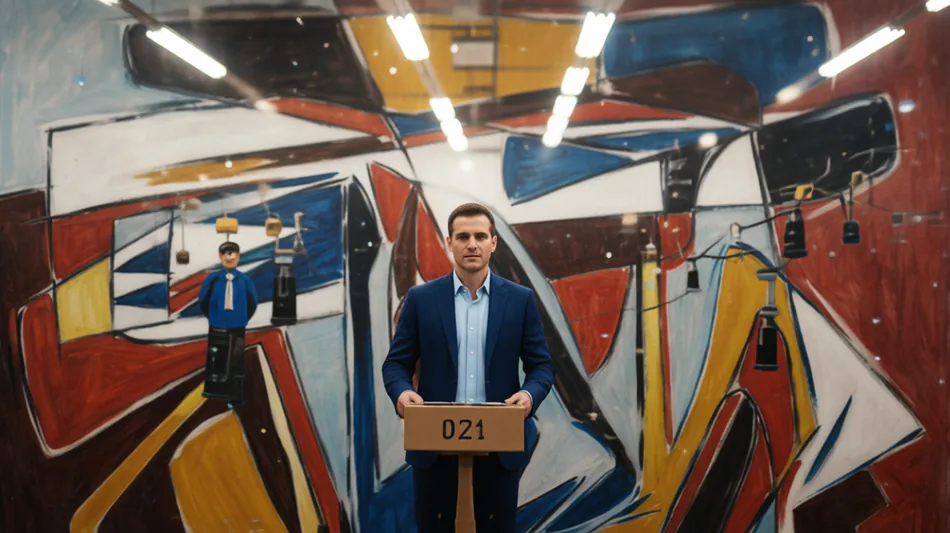
The Guangdong Museum of Art in Guangzhou is hosting a retrospective of Venezuelan artist Oswaldo Vigas, titled "Reality Is What I Imagine." The exhibition features monumental works from his seven-decade career, exploring the intersection of Latin American heritage and global modernist movements through a curated dialogue between Chinese and Venezuelan perspectives.
A major retrospective of Venezuelan artist Oswaldo Vigas is currently on display at the Guangdong Museum of Art in Guangzhou, Guangdong province. Titled "Reality Is What I Imagine," the exhibition showcases a selection of monumental works spanning the artist's seven-decade career, offering viewers an in-depth look at his exploration of heritage and the imaginative reworking of reality.
Vigas is recognized for bridging postwar avant-garde movements in Venezuela and Paris, occupying a significant position in the narrative of Latin American art. His practice embraced global currents while remaining rooted in local traditions, cultivating connections with eminent modernist figures such as Pablo Picasso, Wifredo Lam, Victor Vasarely, Jesus Rafael Soto, and Alejandro Otero. These relationships helped shape an artistic approach that turned cultural distinctions into a driving force for creativity, consistently pushing against conventional trends to extend the boundaries of artistic representation.
The exhibition is jointly curated by Gabriela Rangel, a Venezuelan curator based in the United States, and Jiang Jun, a curator from China. Together, they have created a platform for cross-Pacific dialogue, contributing to the ongoing narrative of the contemporary Global South. By exploring Vigas' genre-defying oeuvre, the curators underline a polycentric and multidirectional global art framework, emphasizing the interconnectedness of diverse cultural paradigms.
Wang Shaoqiang, director of the Guangdong Museum of Art, described Vigas as an artist who did not conform to the homogenizing tendencies of European modernism nor retreat into regional nostalgia. Instead, Wang noted that Vigas envisioned an "amphibian modernity"—an artistic philosophy existing fluidly between land and water, tradition and progress, and the local and the universal. Through his work, Vigas grappled with the pivotal question of how societies in flux can preserve the cultural legacies that sustain them.
According to curator Jiang Jun, introducing Vigas' work to a Chinese audience fosters a cultural synthesis that reflects both global and localized perspectives. "It provides an opportunity to explore the role of cultural continuity within the intricate and interwoven landscape of global art," Jiang said.
The retrospective runs until November 22, inviting visitors to engage in broader conversations about heritage, transformation, and the evolving dialogue between cultures.
(W.Walker--TAG)