Ram Recalls 82,843 1500 Classic Pickups Over ABS Software Defect

 London
 5 °C

 Manchester
 5 °C
 Glasgow
1 °C
 Dublin
7 °C
 Belfast
 6 °C
 Washington
2 °C
 Denver
 0 °C
 Atlanta
9 °C
 Dallas
4 °C
 Houston Texas
6 °C
 New Orleans
 10 °C
 El Paso
4 °C
 Phoenix
14 °C
 Los Angeles
15 °C
San Diego
 13 °C
San Francisco
 13 °C
Chicago
2 °C
Minneapolis
-2 °C
Seattle
11 °C
Portland
9 °C
Salt Lake City
3 °C
Las Vegas
9 °C
Miami
22 °C
Jacksonville
14 °C
San Antonio
4 °C
Bermuda
23 °C
Nassau
2 °C
Iqaluit
 -5 °C
Yellowknife
-8 °C
Anchorage
-7 °C
Fairbanks
-23 °C
Barrow
-7 °C
Calgary
1 °C
Edmonton
3 °C
Winnipeg
 -3 °C
Goose Bay
-5 °C
Halifax
-1 °C
Boston
-1 °C
Ottawa
-5 °C
Toronto
-2 °C
Detroit
1 °C
Cleveland
-1 °C
New York
2 °C
Baltimore
2 °C
Philadelphia
2 °C
Nuuk (Godthåb)
-6 °C
Hong Kong
19 °C
Singapore
31 °C
Melbourne
21 °C
Canberra
15 °C
Adelaide
22 °C
Darwin
27 °C
Perth
 19 °C
Fort Worth
2 °C
Honolulu
21 °C
Sydney
20 °C
Johannesburg
26 °C
Dubai
30 °C
Mumbai
34 °C
Zürich
3 °C
Tokyo
12 °C
Seoul
3 °C
Delhi
27 °C
Beijing
4 °C
Riyadh
 28 °C
Prague
1 °C
Pennsylvania
-2 °C
Valletta
22 °C
Manama
27 °C
Warsaw
2 °C
Stockholm
1 °C
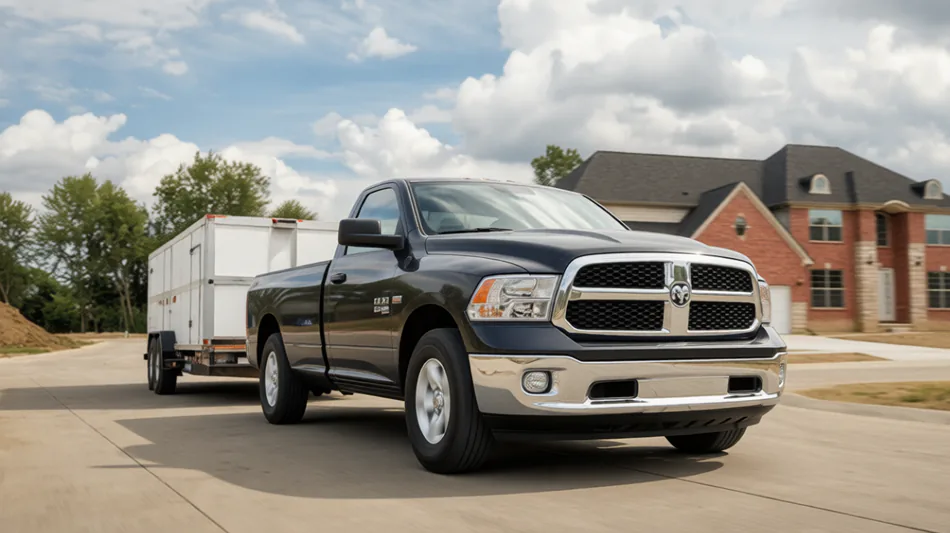
Ram is recalling roughly 82,843 1500 Classic pickup trucks in the United States due to a software defect in the anti-lock braking system. The issue affects model years 2022 through 2024 and can cause brake lights to stay illuminated and disable critical safety features such as Electronic Stability Control.
Ram is recalling approximately 82,843 1500 Classic pickup trucks in the United States due to a software defect within the anti-lock braking system (ABS). The safety campaign covers vehicles manufactured for model years 2022 through 2024.
The recall addresses a specific failure in the brake-pedal position sensor, which may not adapt correctly to pedal drift over time. This malfunction can cause the ABS module software to misread inputs from the brake pedal, leading to a series of electrical and operational issues.
According to the automaker, the defect can result in brake lights remaining illuminated when they should be off. It may also allow the vehicle to shift out of Park without the brake pedal being depressed. Additionally, drivers may experience a loss of several related driver-assist features, including Electronic Stability Control.
Ram reported that it has received thousands of warranty claims associated with this issue. The company is also aware of one crash that may be linked to the defect.
To resolve the problem, dealers will reprogram the ABS module with corrected software. The recall process is expected to begin in the coming weeks.
While the U.S. recall has been announced, Transport Canada has not yet published a corresponding safety campaign for Canadian markets. Consequently, it remains unclear how many Ram 1500 Classic trucks are affected in Canada or if a separate recall will be issued for that region.
The 1500 Classic is a distinct model from the newer Ram 1500, targeting buyers seeking traditional truck features at a lower price point. The software glitch affects the electronic systems that coordinate braking and vehicle stability, posing potential safety risks to drivers who may not immediately recognize the loss of critical functions.
(P.Davis--TAG)