Chile wildfires rage for third day, entire towns wiped out / Photo: Raul BRAVO - AFP

 London
 13 °C
13 °C
 Manchester
12 °C
Manchester
12 °C
 Glasgow
14 °C
Glasgow
14 °C
 Dublin
17 °C
Dublin
17 °C
 Belfast
15 °C
Belfast
15 °C
 Washington
22 °C
Washington
22 °C
 Denver
 14 °C
14 °C
 Atlanta
22 °C
Atlanta
22 °C
 Dallas
 26 °C
26 °C
 Houston Texas
28 °C
Houston Texas
28 °C
 New Orleans
27 °C
New Orleans
27 °C
 El Paso
22 °C
El Paso
22 °C
 Phoenix
31 °C
Phoenix
31 °C
 Los Angeles
19 °C
San Diego
21 °C
San Francisco
14 °C
Chicago
16 °C
Minneapolis
12 °C
Seattle
13 °C
Portland
16 °C
Salt Lake City
Los Angeles
19 °C
San Diego
21 °C
San Francisco
14 °C
Chicago
16 °C
Minneapolis
12 °C
Seattle
13 °C
Portland
16 °C
Salt Lake City
 14 °C
Las Vegas
26 °C
Miami
25 °C
Jacksonville
23 °C
San Antonio
14 °C
Las Vegas
26 °C
Miami
25 °C
Jacksonville
23 °C
San Antonio
 27 °C
Bermuda
27 °C
Nassau
18 °C
Iqaluit
0 °C
Yellowknife
13 °C
Anchorage
9 °C
Fairbanks
7 °C
Barrow
-1 °C
Calgary
12 °C
Edmonton
24 °C
Winnipeg
10 °C
Goose Bay
12 °C
Halifax
16 °C
Boston
14 °C
Ottawa
10 °C
Toronto
13 °C
Detroit
15 °C
Cleveland
17 °C
New York
17 °C
Baltimore
22 °C
Philadelphia
19 °C
Nuuk (Godthåb)
0 °C
Hong Kong
31 °C
Singapore
27 °C
Bermuda
27 °C
Nassau
18 °C
Iqaluit
0 °C
Yellowknife
13 °C
Anchorage
9 °C
Fairbanks
7 °C
Barrow
-1 °C
Calgary
12 °C
Edmonton
24 °C
Winnipeg
10 °C
Goose Bay
12 °C
Halifax
16 °C
Boston
14 °C
Ottawa
10 °C
Toronto
13 °C
Detroit
15 °C
Cleveland
17 °C
New York
17 °C
Baltimore
22 °C
Philadelphia
19 °C
Nuuk (Godthåb)
0 °C
Hong Kong
31 °C
Singapore
 29 °C
Melbourne
24 °C
Canberra
29 °C
Melbourne
24 °C
Canberra
 18 °C
Adelaide
15 °C
Darwin
31 °C
Perth
22 °C
Fort Worth
24 °C
Honolulu
26 °C
Sydney
16 °C
Johannesburg
18 °C
Dubai
39 °C
Mumbai
18 °C
Adelaide
15 °C
Darwin
31 °C
Perth
22 °C
Fort Worth
24 °C
Honolulu
26 °C
Sydney
16 °C
Johannesburg
18 °C
Dubai
39 °C
Mumbai
 31 °C
Zürich
16 °C
Tokyo
22 °C
Seoul
31 °C
Zürich
16 °C
Tokyo
22 °C
Seoul
 31 °C
Delhi
35 °C
Beijing
30 °C
Riyadh
37 °C
Prague
13 °C
Pennsylvania
18 °C
Valletta
26 °C
Manama
34 °C
Warsaw
13 °C
Stockholm
12 °C
31 °C
Delhi
35 °C
Beijing
30 °C
Riyadh
37 °C
Prague
13 °C
Pennsylvania
18 °C
Valletta
26 °C
Manama
34 °C
Warsaw
13 °C
Stockholm
12 °C
Wildfires that have killed 19 people in southern Chile and wiped out entire towns, raged for a third day Monday, fanned by high temperatures and strong winds at the height of the southern hemisphere summer.
The blazes started Saturday in the Nuble and Biobio regions -- about 500 kilometers (310 miles) south of Chile's capital Santiago.
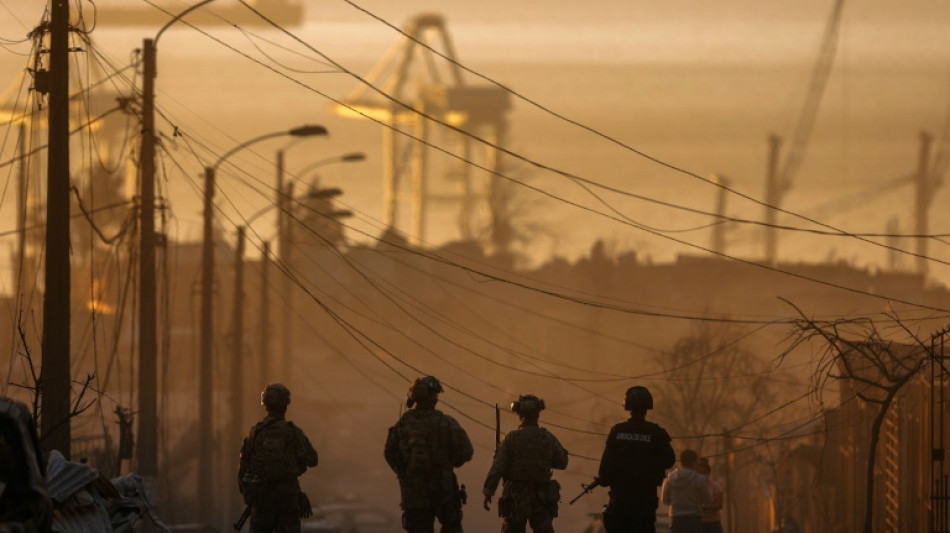
Both were declared disaster areas to allow for the emergency deployment of soldiers and a nighttime curfew was imposed in the hardest-hit areas, whose residents reeled from the widespread devastation.
"It was horrible. I tried to wet the house as much as possible, but I saw the flames coming toward my neighborhood. I grabbed my son (7), my brother got my dog out, and we fled," Yagora Vasquez, a resident of the small port town of Lirquen in Biobio told AFP.
On Monday morning, the streets of the neighborhood where she has lived for 15 years were littered with charred cars.
Soldiers patrolled the streets as residents returned to what remained of their homes, digging through the rubble and ash to salvage what they could.
Vasquez told AFP she had chosen to live in Lirquen -- on a hill far from the sea -- after seeing the devastation wrought by the tsunami of 2010 that killed more than 500 people in the same region of Chile.
This time the threat came from the forest.
- 'A wave of fire' -
Mareli Torres similarly moved away from the coast after the tsunami, only for her home to be destroyed this weekend in "a wave of fire, not water."
"This is much worse, much more devastating. In the earthquake the sea surged, there was destruction, but compared to this it’s nothing," said Torres, 53.
Of the two-story house she lived in with her family for nearly two decades, only blackened walls and a haze of smoke remained.
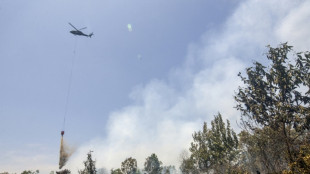
More than 3,500 firefighters were battling 14 wildfires in Nuble and Biobio Monday as winds reached speeds of over 70 kilometers (43 miles) per hour and temperatures were predicted to hit about 30C (86F).
After a brief respite overnight, the director of the Senapred disaster response service said Monday that "the most significant fires are not under control."
And President Gabriel Boric said on X, "the weather conditions during the day will not be good, so it is possible that hot spots may reactivate."
Wildfires have severely impacted south-central Chile in recent years, especially in its warmest and driest months of January and February.
A 2024 study led by researchers at the Santiago-based Center for Climate and Resilience Research, found climate change had "conditioned the occurrence of extreme fire seasons in south-central Chile" by contributing to a long-term drying and warming trend.
In February 2024, several fires broke out simultaneously near the city of Vina del Mar, northwest of Santiago, resulting in 138 deaths, according to the public prosecutor's office.
Unprecedently large areas of the country burnt during the 2016/17 and 2022/23 fire seasons.
Elsewhere in southern South America, wildfires have burnt more than 15,000 hectares in recent days in Argentine Patagonia.
(O.Garcia--TAG)