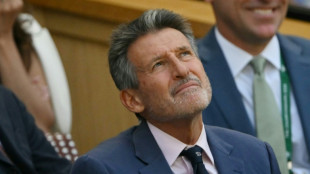
Prize money 'critical' for athletics, says Coe / Photo: Monirul Bhuiyan - AFP

 London
 34 °C
34 °C

 Manchester
25 °C
Manchester
25 °C
 Glasgow
34 °C
Glasgow
34 °C
 Dublin
21 °C
Dublin
21 °C
 Belfast
19 °C
Belfast
19 °C
 Washington
27 °C
Washington
27 °C
 Denver
 19 °C
19 °C
 Atlanta
 29 °C
29 °C
 Dallas
29 °C
Dallas
29 °C
 Houston Texas
 30 °C
30 °C
 New Orleans
30 °C
New Orleans
30 °C
 El Paso
24 °C
El Paso
24 °C
 Phoenix
29 °C
Phoenix
29 °C
 Los Angeles
21 °C
San Diego
21 °C
San Francisco
15 °C
Chicago
24 °C
Minneapolis
20 °C
Seattle
15 °C
Portland
16 °C
Salt Lake City
17 °C
Las Vegas
27 °C
Miami
Los Angeles
21 °C
San Diego
21 °C
San Francisco
15 °C
Chicago
24 °C
Minneapolis
20 °C
Seattle
15 °C
Portland
16 °C
Salt Lake City
17 °C
Las Vegas
27 °C
Miami
 32 °C
Jacksonville
30 °C
San Antonio
27 °C
Bermuda
30 °C
Nassau
27 °C
Iqaluit
4 °C
Yellowknife
13 °C
Anchorage
13 °C
Fairbanks
16 °C
Barrow
7 °C
Calgary
10 °C
Edmonton
29 °C
Winnipeg
16 °C
Goose Bay
21 °C
Halifax
24 °C
Boston
24 °C
Ottawa
21 °C
Toronto
24 °C
Detroit
26 °C
Cleveland
24 °C
New York
27 °C
Baltimore
26 °C
Philadelphia
28 °C
Nuuk (Godthåb)
9 °C
Hong Kong
29 °C
Singapore
32 °C
Jacksonville
30 °C
San Antonio
27 °C
Bermuda
30 °C
Nassau
27 °C
Iqaluit
4 °C
Yellowknife
13 °C
Anchorage
13 °C
Fairbanks
16 °C
Barrow
7 °C
Calgary
10 °C
Edmonton
29 °C
Winnipeg
16 °C
Goose Bay
21 °C
Halifax
24 °C
Boston
24 °C
Ottawa
21 °C
Toronto
24 °C
Detroit
26 °C
Cleveland
24 °C
New York
27 °C
Baltimore
26 °C
Philadelphia
28 °C
Nuuk (Godthåb)
9 °C
Hong Kong
29 °C
Singapore
 30 °C
Melbourne
31 °C
Canberra
30 °C
Melbourne
31 °C
Canberra
 3 °C
Adelaide
10 °C
Darwin
24 °C
Perth
14 °C
Fort Worth
28 °C
Honolulu
24 °C
Sydney
11 °C
Johannesburg
16 °C
Dubai
38 °C
Mumbai
29 °C
Zürich
36 °C
Tokyo
26 °C
Seoul
27 °C
Delhi
28 °C
Beijing
25 °C
Riyadh
45 °C
Prague
30 °C
Pennsylvania
26 °C
Valletta
33 °C
Manama
40 °C
Warsaw
26 °C
Stockholm
27 °C
3 °C
Adelaide
10 °C
Darwin
24 °C
Perth
14 °C
Fort Worth
28 °C
Honolulu
24 °C
Sydney
11 °C
Johannesburg
16 °C
Dubai
38 °C
Mumbai
29 °C
Zürich
36 °C
Tokyo
26 °C
Seoul
27 °C
Delhi
28 °C
Beijing
25 °C
Riyadh
45 °C
Prague
30 °C
Pennsylvania
26 °C
Valletta
33 °C
Manama
40 °C
Warsaw
26 °C
Stockholm
27 °C
It is fair to say that Sebastian Coe's ground-breaking move to award prize money to track and field gold medallists at the 2024 Paris Olympics ruffled some feathers.
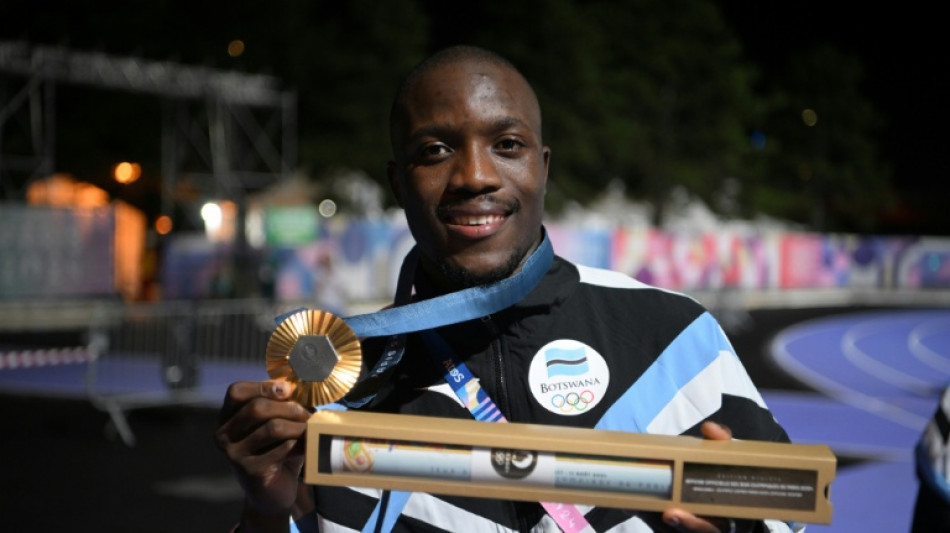
Two years ago, World Athletics announced that winners in the French capital would each receive $50,000, the governing body becoming the first international federation to introduce such prize money.
The unilateral decision sparked a backlash.
Although the move was widely welcomed by athletes, the hierarchy of the International Olympic Committee (IOC) and other federation chiefs argued that it broke with the tradition of the Olympic spirit.
"Prize money for the Olympics is probably why I'm sitting here talking to you and not in (IOC headquarters in) Lausanne," Coe joked Friday.
The 69-year-old Briton who won two Olympic 1,500m golds stood in last year's IOC presidential election won by Kirsty Coventry, who happens to be an opponent of prize money at the Olympics.
The IOC, though, in June announced a $10,000 grant ('Fit for the Future Olympian Grant') for which "every athlete at the Olympic Games will be eligible".
Coe announced in 2024 the creation of the World Athletics Ultimate Championships, a new three-day biannual global event with the first edition to be held in Budapest next month.
It boasts a $10million (£7.5m) prize pot.
"I've always believed in prize money," Coe told journalists on the sidelines of the European Athletics Championships.
"The importance of prize money is critical.
"My view has always been that we talk about athlete welfare, and quite rightly, we talk about physical welfare, we talk about mental welfare.
"We should, but those two are often inextricably underpinned by financial welfare because that financial welfare often gives you the peace of mind to continue to train and want to be involved in a sport that's not putting undue stresses and strains on families and friends' networks."
- No big 'philosophical divide' -
Prize money, Coe argued, "allows you to maybe pause, to contemplate properly the next move when your career actually does come to an end".
"We talk about prize money as though it's some sort of big philosophical divide. It's not.
"It practically supports the welfare of the athletes and the ecosystem, which is the support, the sport.
"I've never benchmarked my views about that on other sports because I've held those views for 50 years and I'm too old to change."
Coe said that World Athletics had consistently increased prize money at world championships and leapt on the chance to shake things up for the Ultimate Championships.
"I said if we're going to do something different, let's make it feel different for the athletes," he said.
"And prize money, the $10 million prize pool, was important."
One change from the Olympic prize money is that each athlete competing in Budapest between September 11-13 "will leave with some financial reward".
"It won't be the winners' total, but there are 16 competitors in the track events, and every one of them will leave with something from that championship," said Coe.
(O.Garcia--TAG)