US-Iran truce deal awaits Trump as strikes test ceasefire / Photo: Kent NISHIMURA - AFP

 London
 15 °C
15 °C
 Manchester
 10 °C
10 °C
 Glasgow
10 °C
Glasgow
10 °C
 Dublin
13 °C
Dublin
13 °C
 Belfast
10 °C
Belfast
10 °C
 Washington
21 °C
Washington
21 °C
 Denver
26 °C
Denver
26 °C
 Atlanta
26 °C
Atlanta
26 °C
 Dallas
30 °C
Dallas
30 °C
 Houston Texas
26 °C
Houston Texas
26 °C
 New Orleans
 28 °C
28 °C
 El Paso
31 °C
El Paso
31 °C
 Phoenix
 36 °C
36 °C
 Los Angeles
23 °C
San Diego
23 °C
San Francisco
14 °C
Chicago
24 °C
Minneapolis
24 °C
Seattle
19 °C
Portland
22 °C
Salt Lake City
28 °C
Las Vegas
35 °C
Miami
Los Angeles
23 °C
San Diego
23 °C
San Francisco
14 °C
Chicago
24 °C
Minneapolis
24 °C
Seattle
19 °C
Portland
22 °C
Salt Lake City
28 °C
Las Vegas
35 °C
Miami
 29 °C
Jacksonville
27 °C
San Antonio
28 °C
Bermuda
27 °C
Nassau
23 °C
Iqaluit
5 °C
Yellowknife
19 °C
Anchorage
20 °C
Fairbanks
21 °C
Barrow
12 °C
Calgary
16 °C
Edmonton
25 °C
Winnipeg
16 °C
Goose Bay
21 °C
Halifax
23 °C
Boston
24 °C
Ottawa
18 °C
Toronto
22 °C
Detroit
25 °C
Cleveland
25 °C
New York
24 °C
Baltimore
22 °C
Philadelphia
23 °C
Nuuk (Godthåb)
7 °C
Hong Kong
29 °C
Jacksonville
27 °C
San Antonio
28 °C
Bermuda
27 °C
Nassau
23 °C
Iqaluit
5 °C
Yellowknife
19 °C
Anchorage
20 °C
Fairbanks
21 °C
Barrow
12 °C
Calgary
16 °C
Edmonton
25 °C
Winnipeg
16 °C
Goose Bay
21 °C
Halifax
23 °C
Boston
24 °C
Ottawa
18 °C
Toronto
22 °C
Detroit
25 °C
Cleveland
25 °C
New York
24 °C
Baltimore
22 °C
Philadelphia
23 °C
Nuuk (Godthåb)
7 °C
Hong Kong
 34 °C
Singapore
32 °C
Melbourne
28 °C
Canberra
34 °C
Singapore
32 °C
Melbourne
28 °C
Canberra
 11 °C
Adelaide
15 °C
Darwin
11 °C
Adelaide
15 °C
Darwin
 27 °C
Perth
16 °C
Fort Worth
30 °C
Honolulu
27 °C
Sydney
21 °C
Johannesburg
5 °C
Dubai
35 °C
Mumbai
27 °C
Perth
16 °C
Fort Worth
30 °C
Honolulu
27 °C
Sydney
21 °C
Johannesburg
5 °C
Dubai
35 °C
Mumbai
 28 °C
Zürich
19 °C
Tokyo
29 °C
Seoul
31 °C
Delhi
32 °C
Beijing
32 °C
Riyadh
36 °C
Prague
18 °C
Pennsylvania
21 °C
Valletta
28 °C
Manama
34 °C
Warsaw
17 °C
Stockholm
12 °C
28 °C
Zürich
19 °C
Tokyo
29 °C
Seoul
31 °C
Delhi
32 °C
Beijing
32 °C
Riyadh
36 °C
Prague
18 °C
Pennsylvania
21 °C
Valletta
28 °C
Manama
34 °C
Warsaw
17 °C
Stockholm
12 °C
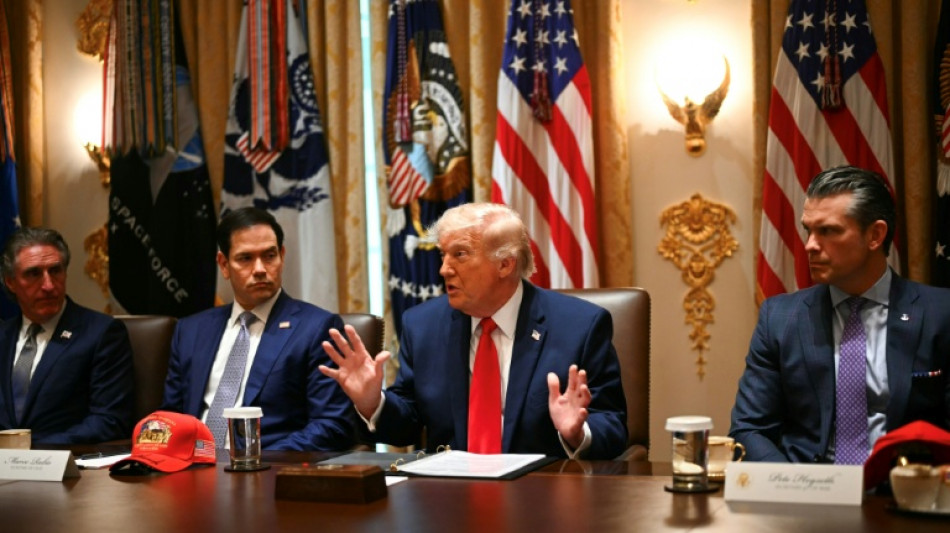
US and Iranian negotiators edged toward a deal to extend their fragile ceasefire for 60 days, but the potential breakthrough was still hanging on President Donald Trump's approval, US sources told AFP on Thursday.
The development came after Washington and Tehran accused each other of violating the truce, underscoring the volatility of talks three months after the Middle East war began with US-Israeli strikes on Iran.
The US sources confirmed reporting by Axios that the two sides had agreed on a memorandum of understanding to prolong the ceasefire and launch negotiations on Iran's nuclear programme.
Under the proposed deal, shipping through Hormuz would be unrestricted, with no tolls or harassment; Iran would remove all mines within 30 days; and the United States would lift its naval blockade if commercial traffic resumes, Axios reported.
But Iran's Tasnim news agency, citing a source close to Tehran's negotiators, said the text had not been finalised and that Pakistan would be informed if a deal was reached.
Iranian sources cited by local media said any deal would be complete only when announced by Tehran, not unilaterally by Trump.
US strikes on the southern Iranian port city of Bandar Abbas prompted Iran to target "the American airbase that served as the source of the attack," state broadcaster IRIB reported, citing the Revolutionary Guards.
The Guards did not specify the location of the base, but Kuwait, which hosts US troops, said its air defences responded to incoming fire.
Kuwait's foreign ministry condemned "the criminal Iranian attacks that targeted the territory of the State of Kuwait with missiles and drones, in a dangerous escalation."
US Central Command called the attack an "egregious ceasefire violation."
Iranian forces had fired at four ships trying to transit the Strait of Hormuz without authorisation, IRIB reported Thursday. Iran has blockaded the waterway since the war began.
US forces said they had intercepted five attack drones in and around the strait, and prevented the launch of a sixth near Bandar Abbas.
Iranian foreign ministry spokesman Esmaeil Baqaei called the US strikes truce "violations".
A US official told AFP the actions were "measured" and "intended to preserve the ceasefire".
Iran's Guards threatened a "firm response" to any renewed attacks.
- Strait standoff -
Before Thursday's strikes, Amir, a 27-year-old software developer in Tehran, said fears of renewed fighting were constant.
"I feel like nothing is certain yet," he said. "The daily question is: Will there be missile strikes tonight?"
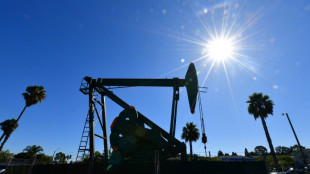
A key focus of the proposed deal is restoring full traffic through the Strait of Hormuz, the closure of which has curbed the vast flows of oil and gas that normally pass through it.
Oil prices bounced higher Thursday after reports of the strikes, reversing much of Wednesday's deal-driven fall.
Markets remained choppy as traders balanced hopes of a ceasefire extension against the risk of renewed fighting. Brent crude slipped after earlier jumping around 2.5 percent, while Wall Street closed higher even as European and Asian markets mostly fell.
The war's economic toll has become harder to ignore, with analysts warning that prolonged disruption in Hormuz could keep energy prices high and make inflation harder to contain.
Trump threatened US ally Oman when asked about a possible short-term arrangement allowing it and Iran to control the strait.
"No, the strait is going to be open to everybody," Trump said. "It's international waters and Oman will behave just like everybody else or we'll have to blow them up."
US Treasury Secretary Scott Bessent on Thursday also threatened to "aggressively target" Oman if it helped impose tolls in the strait.
Bessent added Washington would halt Iranian airlines' access to landing slots, refuelling and ticket sales, while allowing travel for religious pilgrimage and humanitarian reasons.
Oman mediated US-Iran talks in Geneva before the war and has itself come under attack from Tehran.
Baqaei called the threat toward Oman "a worrying sign of the normalisation of anarchy and intimidation in international relations".
Qatar's emir also spoke with Trump by phone about efforts to reduce escalation, after Doha hosted senior Iranian officials this week.
- Lebanon escalation -
In Lebanon, a separate ceasefire has done little to stop the fighting between Israel and Iran-backed Hezbollah.
Iran has insisted any agreement to end the war must apply to Lebanon.
Israel's military said Thursday it had conducted a precise strike in the Beirut area, while Lebanon's military said the attack hit an apartment south of the capital.
AFPTV footage showed smoke rising from the area on the edge of Beirut's southern suburbs, a Hezbollah stronghold.
The escalation comes as Lebanon and Israel prepare for talks between military delegations at the Pentagon on Friday, and for US-brokered talks early next week -- the fourth round since the latest Israel-Hezbollah conflict erupted.
Lebanon's health ministry said the Beirut-area strike killed three people, including a woman, her baby daughter and a Syrian child, and wounded 15.
It said Israeli attacks had killed 3,324 people, up 55 from the previous day, when Israel declared most of south Lebanon "combat zones" and told residents to leave.
The Israeli military said a soldier was killed Wednesday by a Hezbollah drone near the Lebanon border, bringing its military death toll to 23 troops, along with one civilian contractor.
(J.Torres--TAG)