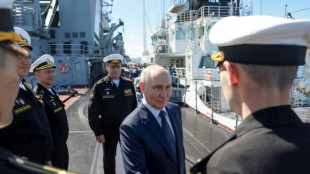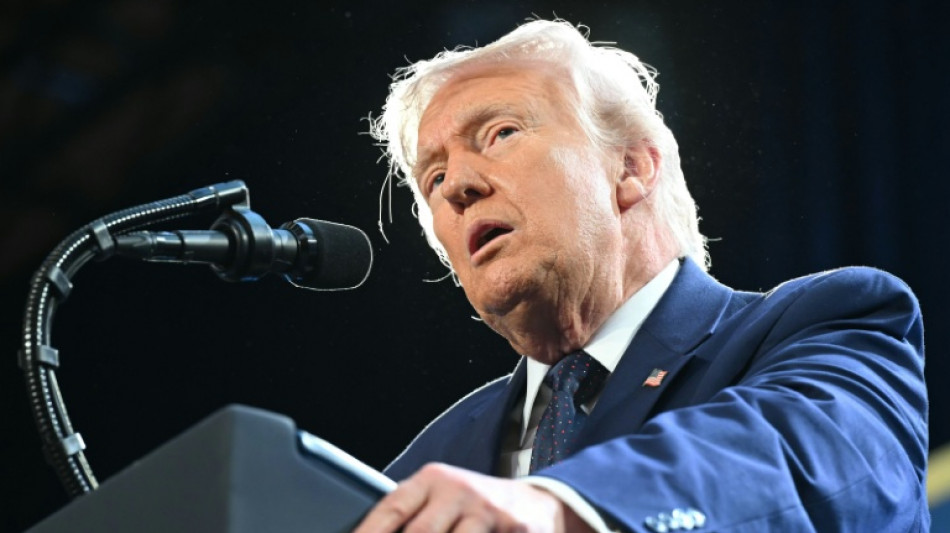
Shifting sands? Trump and his elastic timeline for Iran war / Photo: SAUL LOEB - AFP

 London
 20 °C
20 °C

 Manchester
22 °C
Manchester
22 °C
 Glasgow
 15 °C
15 °C
 Dublin
 20 °C
20 °C
 Belfast
18 °C
Belfast
18 °C
 Washington
25 °C
Washington
25 °C
 Denver
20 °C
Denver
20 °C
 Atlanta
 25 °C
25 °C
 Dallas
 31 °C
31 °C
 Houston Texas
29 °C
Houston Texas
29 °C
 New Orleans
28 °C
New Orleans
28 °C
 El Paso
29 °C
El Paso
29 °C
 Phoenix
 27 °C
27 °C
 Los Angeles
20 °C
San Diego
22 °C
San Francisco
14 °C
Chicago
23 °C
Minneapolis
24 °C
Seattle
18 °C
Portland
19 °C
Salt Lake City
22 °C
Las Vegas
28 °C
Miami
26 °C
Jacksonville
24 °C
San Antonio
28 °C
Bermuda
Los Angeles
20 °C
San Diego
22 °C
San Francisco
14 °C
Chicago
23 °C
Minneapolis
24 °C
Seattle
18 °C
Portland
19 °C
Salt Lake City
22 °C
Las Vegas
28 °C
Miami
26 °C
Jacksonville
24 °C
San Antonio
28 °C
Bermuda
 28 °C
Nassau
24 °C
Iqaluit
28 °C
Nassau
24 °C
Iqaluit
 2 °C
Yellowknife
15 °C
Anchorage
16 °C
Fairbanks
15 °C
Barrow
10 °C
Calgary
12 °C
Edmonton
23 °C
Winnipeg
17 °C
Goose Bay
21 °C
Halifax
20 °C
Boston
21 °C
Ottawa
16 °C
Toronto
18 °C
Detroit
22 °C
Cleveland
20 °C
New York
25 °C
Baltimore
25 °C
Philadelphia
24 °C
Nuuk (Godthåb)
10 °C
Hong Kong
32 °C
Singapore
32 °C
Melbourne
26 °C
Canberra
13 °C
Adelaide
15 °C
Darwin
31 °C
Perth
20 °C
Fort Worth
31 °C
Honolulu
26 °C
Sydney
17 °C
Johannesburg
4 °C
Dubai
41 °C
Mumbai
2 °C
Yellowknife
15 °C
Anchorage
16 °C
Fairbanks
15 °C
Barrow
10 °C
Calgary
12 °C
Edmonton
23 °C
Winnipeg
17 °C
Goose Bay
21 °C
Halifax
20 °C
Boston
21 °C
Ottawa
16 °C
Toronto
18 °C
Detroit
22 °C
Cleveland
20 °C
New York
25 °C
Baltimore
25 °C
Philadelphia
24 °C
Nuuk (Godthåb)
10 °C
Hong Kong
32 °C
Singapore
32 °C
Melbourne
26 °C
Canberra
13 °C
Adelaide
15 °C
Darwin
31 °C
Perth
20 °C
Fort Worth
31 °C
Honolulu
26 °C
Sydney
17 °C
Johannesburg
4 °C
Dubai
41 °C
Mumbai
 25 °C
Zürich
19 °C
Tokyo
28 °C
Seoul
32 °C
Delhi
34 °C
Beijing
25 °C
Zürich
19 °C
Tokyo
28 °C
Seoul
32 °C
Delhi
34 °C
Beijing
 26 °C
Riyadh
40 °C
Prague
17 °C
Pennsylvania
22 °C
Valletta
31 °C
Manama
39 °C
Warsaw
17 °C
Stockholm
17 °C
26 °C
Riyadh
40 °C
Prague
17 °C
Pennsylvania
22 °C
Valletta
31 °C
Manama
39 °C
Warsaw
17 °C
Stockholm
17 °C
President Donald Trump announced he was sending US forces into war with Iran on February 28, kicking off a multidimensional regional conflict -- and a series of contradictory declarations on the American mission's scope and timeline.
He has argued "Operation Epic Fury" aims to eliminate Iran's military installations, or push regime change, or that he was acting to mitigate the country's nuclear threat -- despite boasting that US forces had "obliterated" Iran's nuclear program with a punishing air raid last year.
In multiple press interviews Trump said the war could last days or weeks, and he had identified several possible successors to slain supreme leader Ali Khamenei, but that the early air strikes had killed them all.
Here is a look at Trump's shifting war timeline and his various justifications for launching America's largest military operation in a generation.
- 'As long as necessary'? -
February 28: After stressing days earlier that he wanted a diplomatic solution, Trump announces the start of major combat operations in Iran, vowing to "raze their missile industry to the ground."
He also sets out four objectives: eliminate Iran's ballistic missile capability, destroy their navy, ensure the Islamic republic never gets a nuclear weapon, and ensure Iranian proxy groups can no longer carry out attacks.
Later he posts on Truth Social that the bombings will continue "throughout the week, or as long as necessary to achieve our objective of PEACE THROUGHOUT THE MIDDLE EAST AND, INDEED, THE WORLD."
March 1: With attacks by US and Israeli forces in full swing, Trump predicts a quick war against Iran. "It'll take four weeks -- or less," Trump tells the Daily Mail.
March 2: The president does not rule out sending in ground troops "if necessary." He opens the door to a longer conflict, saying "we projected four to five weeks, but we have capability to go far longer than that."
Defense Secretary Pete Hegseth, himself a military veteran, refuses to be drawn on the war's duration. "This is not Iraq. This is not endless."
Secretary of State Marco Rubio, before briefing congressional leaders, says the US "preemptively" attacked Iran after learning ally Israel was going to strike, which he says would have led to retaliation against US forces in the region.
- Ground troops? -
March 3: Trump swiftly contradicts his top diplomat. "It was my opinion that they (the Iranians) were going to attack first," he says. "I might have forced Israel's hand."
Trump also claims the strikes had largely destroyed Iran's military. "Just about everything's been knocked out."
March 5: Sending ground troops would be a "waste of time," Trump tells NBC News. But he also indicates "we want to go in and clean out everything."
March 6: Trump says only "unconditional surrender" by Iran will end the escalating war, and suggests he wants to be involved in choosing the country's next leader.
March 7: Trump offers more mixed messaging on ground troops, saying they may be necessary to help secure Iran's enriched uranium stocks. "At some point maybe we will," he says. "It would be a great thing."
- 'Very complete'? -
March 9: The president tells CBS News that the war is "very complete, pretty much," a remark that sends sky-high oil prices tumbling. But on the same day he tells lawmakers he is pressing for "ultimate victory" against Tehran's clerical establishment.
March 10: The Pentagon says the war is still escalating. "Today will be yet again, our most intense day of strikes inside Iran," Hegseth tells reporters. As for the timeline, Trump "gets to control the throttle," he adds. "It's not for me to posit whether it's the beginning, the middle or the end."
(W.Walker--TAG)