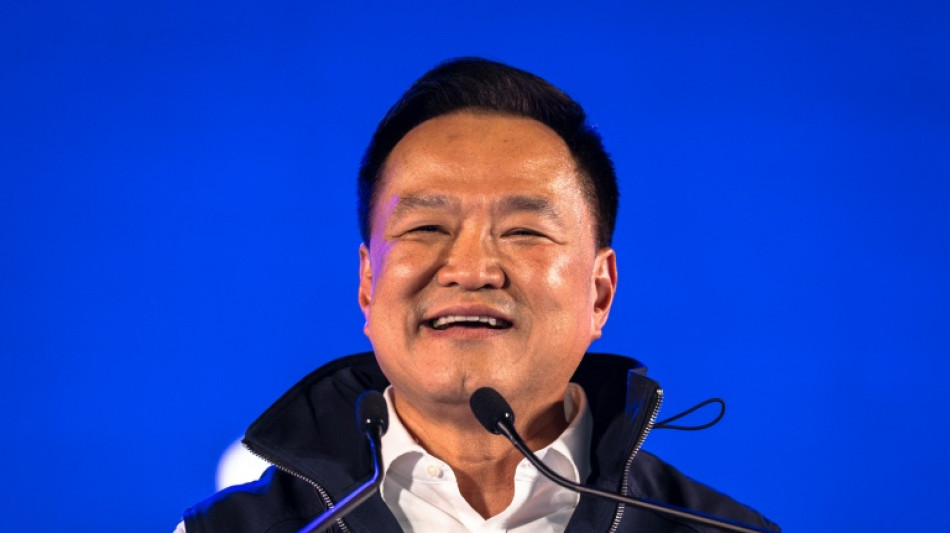
Thailand's pilot PM on course to keep top job / Photo: Chanakarn Laosarakham - AFP/File

 London
 30 °C
30 °C

 Manchester
 24 °C
24 °C
 Glasgow
29 °C
Glasgow
29 °C
 Dublin
20 °C
Dublin
20 °C
 Belfast
19 °C
Belfast
19 °C
 Washington
25 °C
Washington
25 °C
 Denver
18 °C
Denver
18 °C
 Atlanta
 24 °C
24 °C
 Dallas
 28 °C
28 °C
 Houston Texas
27 °C
Houston Texas
27 °C
 New Orleans
27 °C
New Orleans
27 °C
 El Paso
24 °C
El Paso
24 °C
 Phoenix
29 °C
Phoenix
29 °C
 Los Angeles
20 °C
San Diego
21 °C
San Francisco
15 °C
Chicago
22 °C
Minneapolis
19 °C
Seattle
16 °C
Portland
17 °C
Salt Lake City
17 °C
Las Vegas
28 °C
Miami
28 °C
Jacksonville
Los Angeles
20 °C
San Diego
21 °C
San Francisco
15 °C
Chicago
22 °C
Minneapolis
19 °C
Seattle
16 °C
Portland
17 °C
Salt Lake City
17 °C
Las Vegas
28 °C
Miami
28 °C
Jacksonville
 24 °C
San Antonio
26 °C
Bermuda
24 °C
San Antonio
26 °C
Bermuda
 26 °C
Nassau
26 °C
Nassau
 21 °C
Iqaluit
3 °C
Yellowknife
14 °C
Anchorage
14 °C
Fairbanks
18 °C
Barrow
6 °C
Calgary
21 °C
Iqaluit
3 °C
Yellowknife
14 °C
Anchorage
14 °C
Fairbanks
18 °C
Barrow
6 °C
Calgary
 10 °C
Edmonton
24 °C
Winnipeg
15 °C
Goose Bay
14 °C
Halifax
17 °C
Boston
18 °C
Ottawa
15 °C
Toronto
17 °C
Detroit
22 °C
Cleveland
20 °C
New York
23 °C
Baltimore
24 °C
Philadelphia
23 °C
Nuuk (Godthåb)
8 °C
Hong Kong
30 °C
Singapore
32 °C
Melbourne
27 °C
Canberra
6 °C
Adelaide
12 °C
Darwin
28 °C
Perth
18 °C
Fort Worth
27 °C
Honolulu
25 °C
Sydney
13 °C
Johannesburg
14 °C
Dubai
44 °C
Mumbai
28 °C
Zürich
31 °C
Tokyo
27 °C
Seoul
29 °C
Delhi
27 °C
Beijing
29 °C
Riyadh
44 °C
Prague
26 °C
Pennsylvania
21 °C
Valletta
32 °C
Manama
41 °C
Warsaw
10 °C
Edmonton
24 °C
Winnipeg
15 °C
Goose Bay
14 °C
Halifax
17 °C
Boston
18 °C
Ottawa
15 °C
Toronto
17 °C
Detroit
22 °C
Cleveland
20 °C
New York
23 °C
Baltimore
24 °C
Philadelphia
23 °C
Nuuk (Godthåb)
8 °C
Hong Kong
30 °C
Singapore
32 °C
Melbourne
27 °C
Canberra
6 °C
Adelaide
12 °C
Darwin
28 °C
Perth
18 °C
Fort Worth
27 °C
Honolulu
25 °C
Sydney
13 °C
Johannesburg
14 °C
Dubai
44 °C
Mumbai
28 °C
Zürich
31 °C
Tokyo
27 °C
Seoul
29 °C
Delhi
27 °C
Beijing
29 °C
Riyadh
44 °C
Prague
26 °C
Pennsylvania
21 °C
Valletta
32 °C
Manama
41 °C
Warsaw
 24 °C
Stockholm
23 °C
24 °C
Stockholm
23 °C
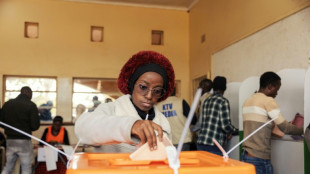
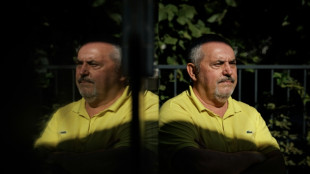
Heir to a construction fortune and hobbyist jet pilot Anutin Charnvirakul is widely expected to remain Thailand's prime minister after this weekend's general election, regardless of the result.
His Bhumjaithai party came third in the last vote, but the 59-year-old conservative -- who championed Thailand's decriminalisation of cannabis -- became prime minister in September after his predecessor Paetongtarn Shinawatra was ousted by court order.
"I came into office with a majority in the parliament," Anutin told AFP on the campaign trail in Bangkok. "So it is clearly democratic."
He secured the premiership with the backing of the reformist People's Party, the largest parliamentary grouping, which opinion polls project will come first again this time -- ahead of Bhumjaithai.
But no overall majority is forecast, and analysts expect Anutin to emerge from the post-election negotiations at the head of a new coalition.
Its most likely partner is probable third-placed Pheu Thai, the party of the Shinawatra clan which has dominated politics for two decades, although founder and ex-prime minister Thaksin is now in prison.
"I have not prepared for loss," Anutin said, tucking into a bowl of noodle soup alongside party members in the capital's Chinatown neighbourhood.
Despite his wealth, he styles himself as a man of the people with a taste for street food, and appears on social media wearing a T-shirt and shorts while stir-frying with a wok, or performing 1980s Thai pop on the saxophone or piano.
- Family fortune -
A scion of a political and business dynasty himself, the family fortune centres on Sino-Thai Engineering, a construction firm that has secured lucrative government contracts over the decades, including for Bangkok's main airport and the parliament building.
His father was acting prime minister during a 2008 political crisis and went on to spend three years as interior minister.
Anutin's political fortunes have long been intertwined with those of the Shinawatras, both as ally and rival.
A New York-trained industrial engineer, Anutin joined Thaksin's party, then named Thai Rak Thai, in his early 30s and was banned from political activity for five years when it was dissolved in 2007.
Grounded from politics, he learned to fly, collecting a small fleet of private planes he used to deliver donated organs to hospitals for transplants.
He returned as leader of Bhumjaithai, a party that has proved something of a political chameleon, joining several government coalitions -- he served as deputy to his three prime ministerial predecessors, including Paetongtarn.
Earlier, he managed tourism-reliant Thailand's pandemic response as health minister under a military-led government, and made global headlines when he delivered in 2022 on a campaign promise to legalise cannabis, in an attempt to stimulate the economy.
The Shinawatras' grip on power is now faltering and their electoral appeal fading, with telecom billionaire Thaksin jailed for corruption during his time in office, and his daughter Paetongtarn removed as leader by the constitutional court over her handling of a simmering border dispute with Cambodia.
- Border conflict -
Anutin pulled Bhumjaithai out of a coalition with Pheu Thai in June after Paetongtarn addressed Cambodia's former leader Hun Sen as "uncle" and referred to a Thai military commander as her "opponent" in a leaked phone call, causing widespread backlash.
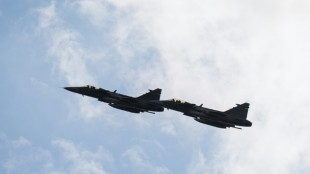
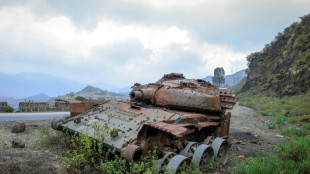
Fighting broke out between the neighbours in July and December, leaving scores dead on both sides and displacing more than one million people.
Analysts say the wave of nationalism resulting from the border conflict has bolstered support for Bhumjaithai, whose opposition to loosening Thailand's strict royal insult laws is seen as evidence of its conservative instincts.
"The conflict reshaped voter priorities around the role of the military and its role in safeguarding Thailand's territorial sovereignty," said political scientist Napon Jatusripitak.
"The only credible party that can take... a nationalist and a hawkish stance on the issue would be Bhumjaithai," he added.
Three months after taking office, and before a late December ceasefire, Anutin dissolved parliament and called the election.
At his Chinatown appearance, he insisted: "Nobody wants fighting, nobody wants conflict. But we have to defend our integrity and sovereignty."
(P.Clark--TAG)