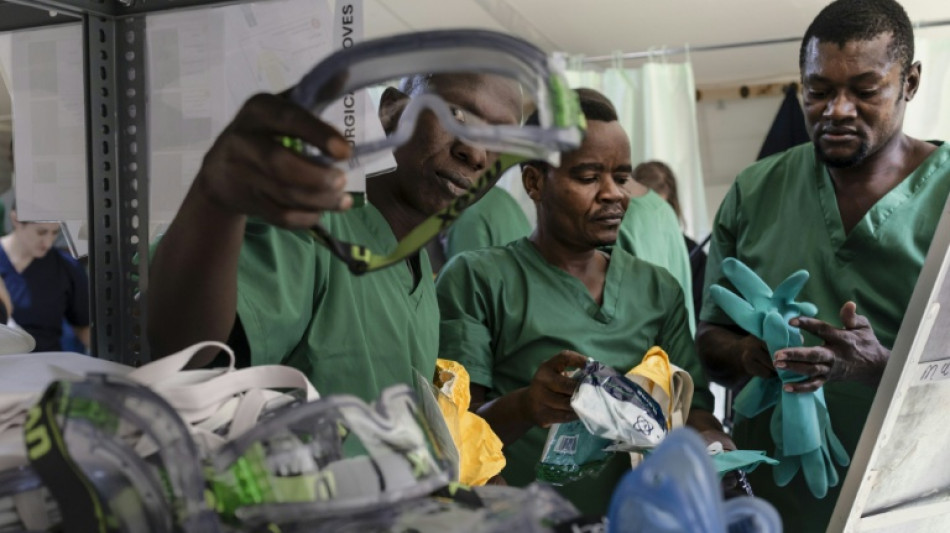
MSF Ebola training in Kenya prepares doctors for 'intense' job / Photo: Tony KARUMBA - AFP

 London
 17 °C
17 °C

 Manchester
 13 °C
13 °C
 Glasgow
 18 °C
18 °C
 Dublin
 13 °C
13 °C
 Belfast
13 °C
Belfast
13 °C
 Washington
25 °C
Washington
25 °C
 Denver
24 °C
Denver
24 °C
 Atlanta
 26 °C
26 °C
 Dallas
 35 °C
35 °C
 Houston Texas
32 °C
Houston Texas
32 °C
 New Orleans
32 °C
New Orleans
32 °C
 El Paso
 32 °C
32 °C
 Phoenix
39 °C
Phoenix
39 °C
 Los Angeles
26 °C
San Diego
25 °C
San Francisco
18 °C
Chicago
21 °C
Minneapolis
16 °C
Seattle
Los Angeles
26 °C
San Diego
25 °C
San Francisco
18 °C
Chicago
21 °C
Minneapolis
16 °C
Seattle
 19 °C
Portland
24 °C
Salt Lake City
21 °C
Las Vegas
34 °C
Miami
25 °C
Jacksonville
28 °C
San Antonio
33 °C
Bermuda
27 °C
Nassau
19 °C
Portland
24 °C
Salt Lake City
21 °C
Las Vegas
34 °C
Miami
25 °C
Jacksonville
28 °C
San Antonio
33 °C
Bermuda
27 °C
Nassau
 18 °C
Iqaluit
5 °C
Yellowknife
16 °C
Anchorage
10 °C
Fairbanks
12 °C
Barrow
-1 °C
Calgary
22 °C
Edmonton
31 °C
Winnipeg
18 °C
Goose Bay
13 °C
Halifax
13 °C
Boston
14 °C
Ottawa
13 °C
Toronto
15 °C
Detroit
17 °C
Cleveland
20 °C
New York
19 °C
Baltimore
24 °C
Philadelphia
20 °C
Nuuk (Godthåb)
3 °C
Hong Kong
28 °C
Singapore
28 °C
Melbourne
27 °C
Canberra
17 °C
Adelaide
23 °C
Darwin
27 °C
Perth
15 °C
Fort Worth
35 °C
Honolulu
28 °C
Sydney
24 °C
Johannesburg
12 °C
Dubai
33 °C
Mumbai
28 °C
Zürich
13 °C
Tokyo
23 °C
Seoul
21 °C
Delhi
26 °C
Beijing
21 °C
Riyadh
30 °C
Prague
15 °C
Pennsylvania
22 °C
Valletta
24 °C
Manama
32 °C
Warsaw
16 °C
Stockholm
14 °C
18 °C
Iqaluit
5 °C
Yellowknife
16 °C
Anchorage
10 °C
Fairbanks
12 °C
Barrow
-1 °C
Calgary
22 °C
Edmonton
31 °C
Winnipeg
18 °C
Goose Bay
13 °C
Halifax
13 °C
Boston
14 °C
Ottawa
13 °C
Toronto
15 °C
Detroit
17 °C
Cleveland
20 °C
New York
19 °C
Baltimore
24 °C
Philadelphia
20 °C
Nuuk (Godthåb)
3 °C
Hong Kong
28 °C
Singapore
28 °C
Melbourne
27 °C
Canberra
17 °C
Adelaide
23 °C
Darwin
27 °C
Perth
15 °C
Fort Worth
35 °C
Honolulu
28 °C
Sydney
24 °C
Johannesburg
12 °C
Dubai
33 °C
Mumbai
28 °C
Zürich
13 °C
Tokyo
23 °C
Seoul
21 °C
Delhi
26 °C
Beijing
21 °C
Riyadh
30 °C
Prague
15 °C
Pennsylvania
22 °C
Valletta
24 °C
Manama
32 °C
Warsaw
16 °C
Stockholm
14 °C
An Ebola training facility set up by Doctors Without Borders in Kenya is a chance for health workers to prepare for one of the most complex emergencies they are ever likely to face.
The outbreak in Democratic Republic of Congo (DRC) is the fastest growing ever, according to African health officials, and has claimed at least 600 lives since it was declared in mid-May.
It is happening in a region plagued by extreme poverty and multiple armed groups, while misinformation about the disease has led some locals to avoid treatment, ignore safeguards, and even attack health workers.
Health workers make up 112 of the 1,759 confirmed cases in DRC, and 35 have died.
To help prepare for this extremely challenging environment, global charity Doctors Without Borders (known by its French acronym MSF) has set up a training centre in Kenya.
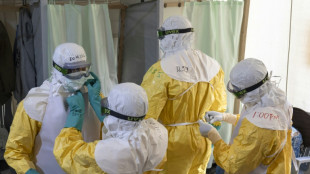
Equipped with beds, mannequins, a mock laboratory, and protective gear, the simulation centre prepares doctors, nurses, and clinicians for deployments in DRC, or from regional countries at risk from the spreading disease.
"Often, you come from a hospital and a university, you have knowledge and you think you can handle it," said one of the trainees, Cisse Papa Ndiaga, 43, an MSF doctor from Senegal, soon to be deployed in DRC.
"But once you're in PPE (personal protective equipment), it's a different story," he said.
- Community engagement -
Trainees learn how to deal with the community, conduct safe funerals, and prevent the stigmatisation of those who have recovered.
"One of the key things is to be able to get the communities to engage, to understand. But also to make sure that we have empathy and we... take the time to sensitise them," said Diana Corben, 37, a doctor with MSF's mission in Central African Republic.
It's also about knowing your own limits, she said.
"We need to be very much aware of how much we can tolerate... what we're going to be put through," she said.
"This is a simulation... the reality is going to be that much more intense."
The centre began training in mid-June, and is running through to August and perhaps beyond, training around 100 people per month.
Most have been MSF staff so far, but the centre will also train Kenyan Ministry of Health officials and staff from other NGOs.
Ndiaga said he was somewhat more confident about his imminent deployment after the training.
"I'm not sure I'm ready... but I'm less scared," he said.
(A.Johnson--TAG)