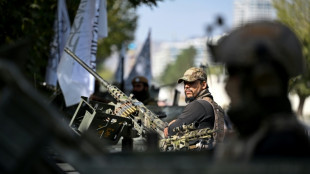
Niger criminalises same-sex relations with jail terms / Photo: - - AFP

 London
 21 °C
21 °C
 Manchester
 15 °C
15 °C
 Glasgow
 15 °C
15 °C
 Dublin
 15 °C
15 °C
 Belfast
14 °C
Belfast
14 °C
 Washington
25 °C
Washington
25 °C
 Denver
17 °C
Denver
17 °C
 Atlanta
26 °C
Atlanta
26 °C
 Dallas
32 °C
Dallas
32 °C
 Houston Texas
29 °C
Houston Texas
29 °C
 New Orleans
 29 °C
29 °C
 El Paso
30 °C
El Paso
30 °C
 Phoenix
33 °C
Phoenix
33 °C
 Los Angeles
21 °C
San Diego
22 °C
San Francisco
15 °C
Chicago
23 °C
Minneapolis
23 °C
Seattle
19 °C
Portland
22 °C
Salt Lake City
20 °C
Las Vegas
24 °C
Miami
Los Angeles
21 °C
San Diego
22 °C
San Francisco
15 °C
Chicago
23 °C
Minneapolis
23 °C
Seattle
19 °C
Portland
22 °C
Salt Lake City
20 °C
Las Vegas
24 °C
Miami
 29 °C
Jacksonville
26 °C
San Antonio
29 °C
Bermuda
28 °C
Nassau
23 °C
Iqaluit
5 °C
Yellowknife
14 °C
Anchorage
29 °C
Jacksonville
26 °C
San Antonio
29 °C
Bermuda
28 °C
Nassau
23 °C
Iqaluit
5 °C
Yellowknife
14 °C
Anchorage
 21 °C
Fairbanks
20 °C
Barrow
12 °C
Calgary
12 °C
Edmonton
27 °C
Winnipeg
17 °C
Goose Bay
15 °C
Halifax
18 °C
Boston
20 °C
Ottawa
17 °C
Toronto
21 °C
Detroit
22 °C
Cleveland
20 °C
New York
24 °C
Baltimore
24 °C
Philadelphia
23 °C
Nuuk (Godthåb)
8 °C
Hong Kong
29 °C
Singapore
21 °C
Fairbanks
20 °C
Barrow
12 °C
Calgary
12 °C
Edmonton
27 °C
Winnipeg
17 °C
Goose Bay
15 °C
Halifax
18 °C
Boston
20 °C
Ottawa
17 °C
Toronto
21 °C
Detroit
22 °C
Cleveland
20 °C
New York
24 °C
Baltimore
24 °C
Philadelphia
23 °C
Nuuk (Godthåb)
8 °C
Hong Kong
29 °C
Singapore
 31 °C
Melbourne
27 °C
Canberra
15 °C
Adelaide
16 °C
Darwin
33 °C
Perth
21 °C
Fort Worth
32 °C
Honolulu
28 °C
Sydney
15 °C
Johannesburg
5 °C
Dubai
37 °C
Mumbai
26 °C
Zürich
19 °C
Tokyo
28 °C
Seoul
26 °C
Delhi
30 °C
Beijing
25 °C
Riyadh
34 °C
Prague
16 °C
Pennsylvania
21 °C
Valletta
28 °C
Manama
39 °C
Warsaw
31 °C
Melbourne
27 °C
Canberra
15 °C
Adelaide
16 °C
Darwin
33 °C
Perth
21 °C
Fort Worth
32 °C
Honolulu
28 °C
Sydney
15 °C
Johannesburg
5 °C
Dubai
37 °C
Mumbai
26 °C
Zürich
19 °C
Tokyo
28 °C
Seoul
26 °C
Delhi
30 °C
Beijing
25 °C
Riyadh
34 °C
Prague
16 °C
Pennsylvania
21 °C
Valletta
28 °C
Manama
39 °C
Warsaw
 15 °C
Stockholm
16 °C
15 °C
Stockholm
16 °C
Military-run Niger has enacted a new penal code criminalising same-sex relations with heavy jail sentences, following several other west African countries which have recently adopted tough anti-LGBTQ legislation.
Although a taboo subject, same-sex relations had not been a criminal offence in Muslim-majority Niger.
General Abdourahamane Tiani, the head of the military government, has prioritised sovereigntist and anti-Western policies since seizing power in July 2023 and been critical of some Western values.
Under Niger's new law, same-sex relations will be punishable by a jail term of between five and 10 years and a fine.
It also says that anyone committing or trying to commit "an indecent or unnatural act, or Lesbian, Gay, Bisexual, Transgender, Queer, Intersex, Asexual (LGBTQIA+) practices" will face the same penalty.
It adds that "anyone who enters into marriage with a person of the same sex" faces 10 to 20 years' imprisonment.
It stipulates the same sentence for "any person who manages, directs, operates, finances or participates in clubs, societies, organisations or associations for homosexuals or LGBTQIA+ people".
- 'Large-scale crackdown' -
The penal code reform was initiated under Niger's previous civilian president Mohamed Bazoum under pressure from Muslim groups and lawmakers. Bazoum was overthrown in the 2023 coup.
The enactment of the new code took effect in February but had gone unnoticed in the country until social media and media outlets announced in recent days a "large-scale crackdown".
Justice Minister Alio Daouda said recently that Niger had legislated "in full responsibility and sovereignty" because same-sex relations do not "conform to its social and cultural values".
He said he had already outlined Niger's position on the matter at the last session of the United Nations Human Rights Council in Geneva.
In July last year, two women in Niger accused of "public indecency" -- the term used at the time to prosecute possible same-sex relationships -- were sentenced to prison after the public prosecutor appealed their initial acquittal, according to a source close to the case.
Prosecutors had sought a three-year jail sentence against them.
In 2024, the government removed certain sexual education lessons from the school curriculum, saying the material "undermines the values" of the country.
It also ordered the removal of an app raising awareness about women's sexual and reproductive health, designed by NGOs.
Niger is the latest country to adopt or increase such penalties.
Since last year, Burkina Faso has punished same-sex relations with five years in prison.
Ghana in recent weeks has adopted the sentence of three years in prison, and Senegal last month doubled the maximum penalty for same-sex relations.
(K.Lee--TAG)