WTO mulls future of global trade under cloud of Mideast war / Photo: Fabrice COFFRINI - AFP

 London
 19 °C
19 °C
 Manchester
16 °C
Manchester
16 °C
 Glasgow
14 °C
Glasgow
14 °C
 Dublin
16 °C
Dublin
16 °C
 Belfast
16 °C
Belfast
16 °C
 Washington
24 °C
Washington
24 °C
 Denver
 21 °C
21 °C
 Atlanta
 28 °C
28 °C
 Dallas
 33 °C
33 °C
 Houston Texas
28 °C
Houston Texas
28 °C
 New Orleans
30 °C
New Orleans
30 °C
 El Paso
25 °C
El Paso
25 °C
 Phoenix
38 °C
Phoenix
38 °C
 Los Angeles
23 °C
San Diego
22 °C
San Francisco
14 °C
Chicago
25 °C
Minneapolis
21 °C
Seattle
18 °C
Portland
22 °C
Salt Lake City
25 °C
Las Vegas
35 °C
Miami
Los Angeles
23 °C
San Diego
22 °C
San Francisco
14 °C
Chicago
25 °C
Minneapolis
21 °C
Seattle
18 °C
Portland
22 °C
Salt Lake City
25 °C
Las Vegas
35 °C
Miami
 28 °C
Jacksonville
28 °C
San Antonio
30 °C
Bermuda
26 °C
Nassau
21 °C
Iqaluit
8 °C
Yellowknife
12 °C
Anchorage
28 °C
Jacksonville
28 °C
San Antonio
30 °C
Bermuda
26 °C
Nassau
21 °C
Iqaluit
8 °C
Yellowknife
12 °C
Anchorage
 16 °C
Fairbanks
21 °C
Barrow
12 °C
Calgary
16 °C
Edmonton
26 °C
Winnipeg
17 °C
Goose Bay
22 °C
Halifax
21 °C
Boston
22 °C
Ottawa
18 °C
Toronto
21 °C
Detroit
24 °C
Cleveland
25 °C
New York
21 °C
Baltimore
24 °C
Philadelphia
20 °C
Nuuk (Godthåb)
6 °C
Hong Kong
33 °C
Singapore
32 °C
Melbourne
28 °C
Canberra
14 °C
Adelaide
16 °C
Darwin
31 °C
Perth
16 °C
Fairbanks
21 °C
Barrow
12 °C
Calgary
16 °C
Edmonton
26 °C
Winnipeg
17 °C
Goose Bay
22 °C
Halifax
21 °C
Boston
22 °C
Ottawa
18 °C
Toronto
21 °C
Detroit
24 °C
Cleveland
25 °C
New York
21 °C
Baltimore
24 °C
Philadelphia
20 °C
Nuuk (Godthåb)
6 °C
Hong Kong
33 °C
Singapore
32 °C
Melbourne
28 °C
Canberra
14 °C
Adelaide
16 °C
Darwin
31 °C
Perth
 16 °C
Fort Worth
31 °C
Honolulu
27 °C
Sydney
15 °C
Johannesburg
10 °C
Dubai
35 °C
Mumbai
30 °C
Zürich
20 °C
Tokyo
30 °C
Seoul
27 °C
Delhi
16 °C
Fort Worth
31 °C
Honolulu
27 °C
Sydney
15 °C
Johannesburg
10 °C
Dubai
35 °C
Mumbai
30 °C
Zürich
20 °C
Tokyo
30 °C
Seoul
27 °C
Delhi
 30 °C
Beijing
30 °C
Riyadh
34 °C
Prague
17 °C
Pennsylvania
21 °C
Valletta
27 °C
Manama
37 °C
Warsaw
15 °C
Stockholm
11 °C
30 °C
Beijing
30 °C
Riyadh
34 °C
Prague
17 °C
Pennsylvania
21 °C
Valletta
27 °C
Manama
37 °C
Warsaw
15 °C
Stockholm
11 °C
The World Trade Organization's 166 members appeared deeply divided as ministers gathered in the Cameroonian capital for a key conference starting Thursday, amid global economic turmoil linked to the Middle East war.
Over four days, WTO members will try to revitalise an institution weakened by geopolitical tensions, stalled negotiations and rising protectionism -- against the backdrop of a war that poses a serious threat to international trade.
The atmosphere ahead of the meeting was "tense", a Western diplomatic source told AFP, asking not to be named.
"I think that's because it's tense in the global trading system."
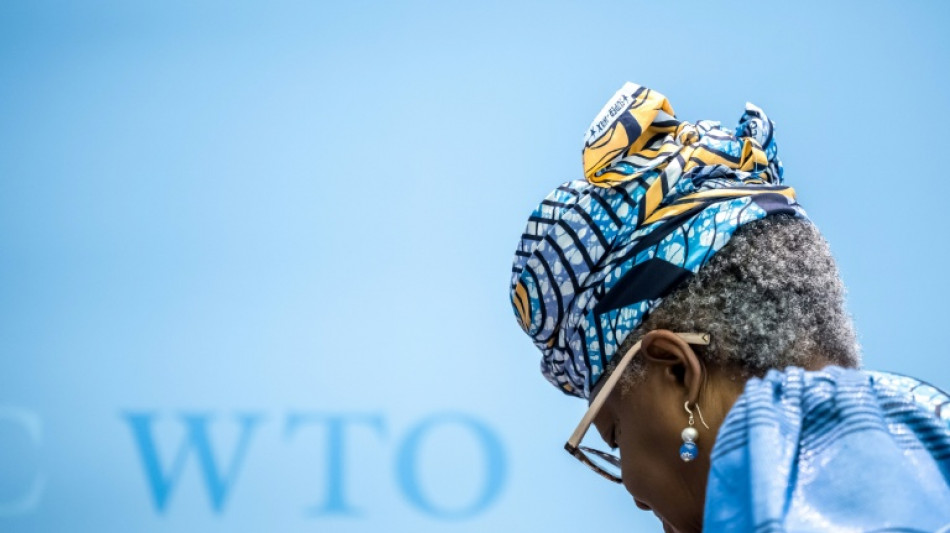
WTO Director-General Ngozi Okonjo-Iweala called Wednesday for the Yaounde meeting to "launch the next chapter of the multilateral trading system".
She slammed "the unilateralism we have been seeing", decrying the "collective failure" of WTO members over the years to confront their concerns and frustrations.
- 'A pivotal moment' -
The WTO ministerial conference, its supreme decision-making body, is usually held every other year.
Ahead of the 14th edition (MC14), a number of countries expressed hope that the conference could mark a turning point for the organisation.
Two years after the WTO's last ministerial conference in Abu Dhabi failed to make meaningful progress on key issues like fisheries and agriculture, member states face even stauncher challenges.
Their main task will be to develop a plan towards reforming a WTO that has proven to be powerless in the face of rising protectionism and largely incapable of negotiating new agreements.
European Trade Commissioner Maros Sefcovic called Monday for "serious" reform of the organisation, insisting that "the level playing field, overcapacity and market policies must be better tackled than in the past".
Britain also said in a recent submission that it believes "the WTO is at a pivotal moment", warning that "without reform it will slide into irrelevance".
Several members are calling for modifying the organisation's decision-making procedures, which have long been limited by a rule requiring consensus among all members.
There are also calls to overhaul rules related to special treatment of developing countries and achieving a level playing field for trade, as well as a push to restore the organisation's crippled dispute settlement system.
But national interests diverge sharply, making any diplomatic breakthrough in Yaounde uncertain, according to experts and diplomats.
"I very much doubt that there would be any actual agreement at MC14 on any of the reform issues," Stuart Harbinson of the European Centre for International Political Economy think-tank in Brussels told AFP.
"The membership is too divided on the substantive issues."
- Trump's return -
Yaounde marks the WTO's first ministerial conference since US President Donald Trump returned to the White House last year, unleashing a barrage of attacks on multilateralism and WTO rules with sweeping tariffs and bilateral trade deals.
"The WTO needs to change if it intends to have any relevance as the international trading system transitions to focus on reciprocity and balance," US Trade Representative Jamieson Greer said on Monday.
Preparatory discussions in Geneva, where the WTO is based, revealed that some countries -- the United States and India in particular -- were not satisfied with the proposed roadmap.
Washington is particularly critical of the WTO's "most-favoured nation" (MFN) principle, which aims to extend any trade advantage granted to one trading partner to all others, in a bid to avoid discrimination.
But China, like other developing countries, has said it wants this rule to "remain the bedrock of the WTO".
"We need a rules-based system, not a power-based system," a Chinese diplomatic source told AFP.
WTO reform has become more urgent with the prolonged paralysis of the organisation's dispute settlement system.
The appeals body has been frozen since 2019 by the United States blocking the appointment of new judges.
For many, however, the stakes in Yaounde go beyond simply adopting a roadmap.
"It's about determining whether the WTO still has a role to play in its core mission, which is to reduce barriers to trade at a time when there's a tendency to increase them,” former WTO chief Pascal Lamy told AFP.
(E.Taylor--TAG)