Japan eyes remote Pacific island for nuclear waste / Photo: STR - JIJI PRESS/AFP

 London
 27 °C
27 °C
 Manchester
21 °C
Manchester
21 °C
 Glasgow
18 °C
Glasgow
18 °C
 Dublin
21 °C
Dublin
21 °C
 Belfast
 18 °C
18 °C
 Washington
31 °C
Washington
31 °C
 Denver
 26 °C
26 °C
 Atlanta
34 °C
Atlanta
34 °C
 Dallas
36 °C
Dallas
36 °C
 Houston Texas
32 °C
Houston Texas
32 °C
 New Orleans
33 °C
New Orleans
33 °C
 El Paso
28 °C
El Paso
28 °C
 Phoenix
37 °C
Phoenix
37 °C
 Los Angeles
24 °C
San Diego
Los Angeles
24 °C
San Diego
 24 °C
San Francisco
16 °C
Chicago
23 °C
Minneapolis
26 °C
Seattle
16 °C
Portland
24 °C
San Francisco
16 °C
Chicago
23 °C
Minneapolis
26 °C
Seattle
16 °C
Portland
 17 °C
Salt Lake City
29 °C
Las Vegas
34 °C
Miami
33 °C
Jacksonville
34 °C
San Antonio
31 °C
Bermuda
29 °C
Nassau
23 °C
Iqaluit
7 °C
Yellowknife
14 °C
Anchorage
13 °C
Fairbanks
15 °C
Barrow
7 °C
Calgary
14 °C
Edmonton
31 °C
Winnipeg
20 °C
Goose Bay
23 °C
Halifax
22 °C
Boston
22 °C
Ottawa
23 °C
Toronto
25 °C
Detroit
23 °C
Cleveland
24 °C
New York
24 °C
Baltimore
31 °C
Philadelphia
26 °C
Nuuk (Godthåb)
8 °C
Hong Kong
29 °C
Singapore
17 °C
Salt Lake City
29 °C
Las Vegas
34 °C
Miami
33 °C
Jacksonville
34 °C
San Antonio
31 °C
Bermuda
29 °C
Nassau
23 °C
Iqaluit
7 °C
Yellowknife
14 °C
Anchorage
13 °C
Fairbanks
15 °C
Barrow
7 °C
Calgary
14 °C
Edmonton
31 °C
Winnipeg
20 °C
Goose Bay
23 °C
Halifax
22 °C
Boston
22 °C
Ottawa
23 °C
Toronto
25 °C
Detroit
23 °C
Cleveland
24 °C
New York
24 °C
Baltimore
31 °C
Philadelphia
26 °C
Nuuk (Godthåb)
8 °C
Hong Kong
29 °C
Singapore
 29 °C
Melbourne
33 °C
Canberra
5 °C
Adelaide
29 °C
Melbourne
33 °C
Canberra
5 °C
Adelaide
 14 °C
Darwin
26 °C
Perth
13 °C
Fort Worth
35 °C
Honolulu
25 °C
Sydney
11 °C
Johannesburg
14 °C
Darwin
26 °C
Perth
13 °C
Fort Worth
35 °C
Honolulu
25 °C
Sydney
11 °C
Johannesburg
 17 °C
Dubai
41 °C
Mumbai
28 °C
Zürich
22 °C
Tokyo
26 °C
Seoul
24 °C
Delhi
31 °C
Beijing
23 °C
Riyadh
43 °C
Prague
18 °C
Pennsylvania
29 °C
Valletta
31 °C
Manama
36 °C
Warsaw
24 °C
Stockholm
21 °C
17 °C
Dubai
41 °C
Mumbai
28 °C
Zürich
22 °C
Tokyo
26 °C
Seoul
24 °C
Delhi
31 °C
Beijing
23 °C
Riyadh
43 °C
Prague
18 °C
Pennsylvania
29 °C
Valletta
31 °C
Manama
36 °C
Warsaw
24 °C
Stockholm
21 °C
Japan is looking into using a remote deserted Pacific island nearly 2,000 kilometres (1,250 miles) from Tokyo as a site for burying nuclear waste, officials said.
Nuclear power is making a comeback worldwide, but finding permanent storage sites for spent fuel -- which can be hazardous for many thousands of years -- is a huge challenge.
Japan is no exception as it pivots back towards "maximum use of nuclear power" in a safe manner, according to its energy policy, 15 years after the Fukushima disaster.
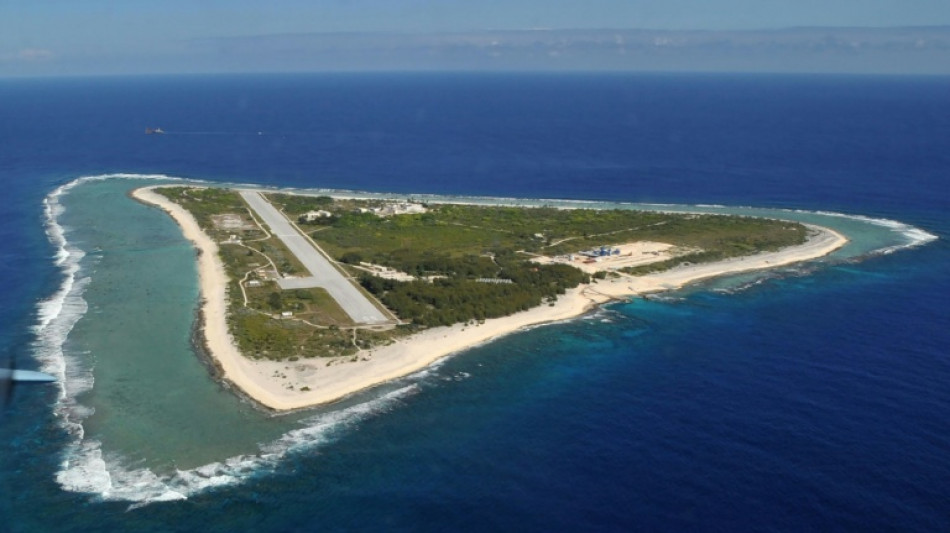
The government wants to conduct a preliminary survey on Minamitorishima, Japan's easternmost island in the Pacific, to see if it is fit to host a facility.
State-owned Minamitorishima, uninhabited by civilians and off-limits to tourists, has "some unexplored landmass capable of hosting a facility," industry minister Ryosei Akazawa told reporters Tuesday.
The triangle-shaped island surrounded by coral atoll also has some "scientifically favourable traits", the minister said.
A request was later submitted to a Tokyo municipality that administers the island to inspect its land conditions and volcanic activity through geological documents -- the first of a three-part survey to select the ultimate disposal site.
Probes were already conducted in three locations in two of Japan's main -- and heavily populated -- four islands, including two in Hokkaido and another in Kyushu.
Minamitorishima, which is around 1.5 square kilometres (0.6 square miles), is reportedly the first candidate the central government picked at its own initiative.
In January, Japan switched back on the world's biggest nuclear power plant in its central Niigata region for the first time since the Fukushima disaster in 2011.
Finland has built the world's first deep geological repository for spent nuclear fuel, the Onkalo facility where waste is meant to be isolated 400 metres (1,300 feet) below ground.
(T.Wright--TAG)